
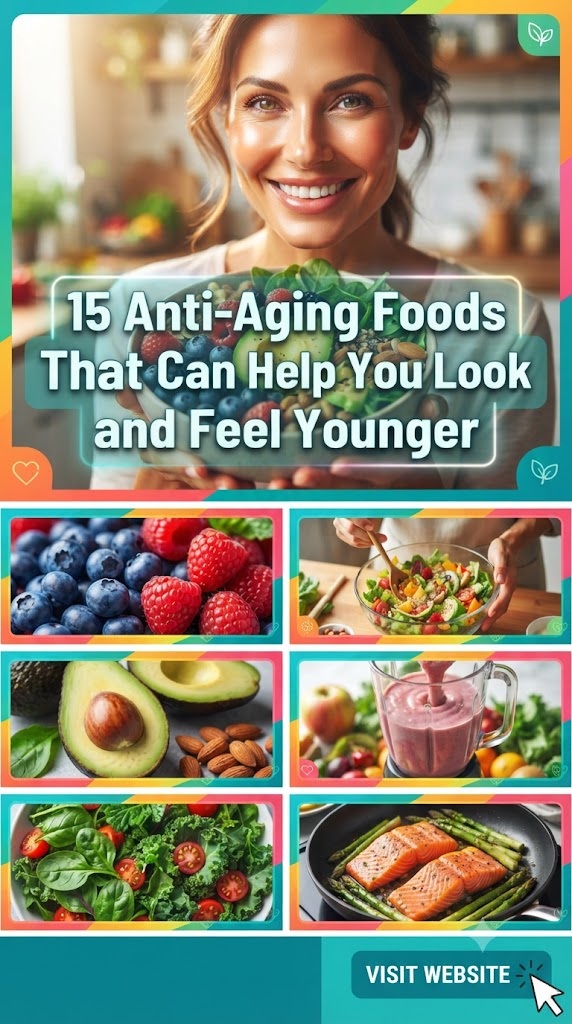
15 Foods That Naturally Support Healthy Aging
Aging is an inevitable biological process, but how we age is significantly influenced by the choices we make every day. While we cannot stop the clock, we can certainly influence the rate at which our cells decline. The secret to longevity isn’t found in a high-priced serum or a laboratory-made supplement; it is found in the vibrant colors and complex nutrients of the food we consume.
Modern science has identified a phenomenon known as “inflammaging”—the chronic, low-grade inflammation that accelerates the aging process and contributes to age-related diseases. By incorporating specific “superfoods” into our diet, we can combat oxidative stress, protect our DNA, and keep our vital organs functioning at peak performance.
Here are 15 power-packed foods that naturally support healthy aging from the inside out.
1. Blueberries: The Cognitive Guardians
Often cited as the king of antioxidant foods, blueberries are rich in anthocyanins. these are the compounds that give them their deep blue hue and provide potent protection against oxidative stress.
- Brain Health: Studies suggest that the antioxidants in blueberries accumulate in areas of the brain that handle intelligence and memory, potentially delaying mental decline.
- DNA Protection: They help neutralize free radicals that damage DNA, which is a primary driver of the aging process.
2. Fatty Fish: The Heart and Joint Shield
Salmon, mackerel, sardines, and trout are exceptional sources of Omega-3 fatty acids (EPA and DHA). These essential fats are critical because the body cannot produce them on its own.
- Heart Longevity: Omega-3s reduce systemic inflammation, lower blood pressure, and decrease the risk of heart disease.
- Joint and Skin Health: These fats keep cell membranes fluid and hydrated, which translates to supple skin and lubricated, pain-free joints.
3. Leafy Greens: The Cellular Renovators
Spinach, kale, and Swiss chard are nutritional heavyweights packed with Vitamin K, lutein, and folate.
- Bone Density: Vitamin K is essential for bone mineralization, reducing the risk of osteoporosis as we age.
- Cognitive Preservation: Research has shown that individuals who eat one to two servings of leafy greens a day have the cognitive facility of someone 11 years younger than those who don’t.
4. Extra Virgin Olive Oil: The Liquid Gold of Longevity
A staple of the Mediterranean diet, extra virgin olive oil (EVOO) is rich in monounsaturated fats and powerful antioxidants called polyphenols.
- Anti-Inflammatory Properties: One specific compound, oleocanthal, mimics the effect of ibuprofen in reducing inflammation.
- Skin Elasticity: Regular consumption is linked to fewer wrinkles and better skin elasticity due to its high Vitamin E and K content.
5. Walnuts: The Brain-Shaped Supernut
While all nuts offer health benefits, walnuts are unique because they contain the highest concentration of plant-based Omega-3s (Alpha-linolenic acid).
- Heart Health: They help improve cholesterol levels and enhance the function of the lining of your blood vessels.
- Neuroprotection: The combination of polyphenols and polyunsaturated fats in walnuts supports brain health and may reduce the risk of neurodegenerative diseases.
6. Avocados: The Moisture Miracle
Avocados are loaded with inflammation-fighting fatty acids and a variety of essential nutrients that are often lacking in modern diets, such as potassium and Vitamin B6.
- UV Protection: They contain lutein and zeaxanthin, which help protect the skin from UV-induced damage.
- Nutrient Absorption: Adding avocado to a salad helps your body absorb fat-soluble vitamins (A, D, E, and K) from other vegetables.
7. Turmeric: The Golden Healer
The active compound in turmeric, curcumin, is one of the most studied anti-inflammatory substances in the world.
- Chronic Pain Management: Curcumin can be as effective as some anti-inflammatory drugs in managing arthritis symptoms.
- Longevity Pathways: It activates certain proteins (sirtuins) that are known to promote cellular longevity and repair.
8. Pomegranates: The Mitochondrial Engine
Pomegranates contain a compound called punicalagins, but their real magic lies in a molecule called Urolithin A.
- Muscle Maintenance: Urolithin A is produced by gut bacteria when we eat pomegranates. It helps the body recycle aging mitochondria (the batteries of our cells), which is crucial for maintaining muscle mass as we age.
- Skin Rejuvenation: The high Vitamin C content aids in collagen production, keeping skin firm.
9. Cruciferous Vegetables: The Detox Experts
Broccoli, cauliflower, and Brussels sprouts contain a sulfur-rich compound called sulforaphane.
- Cancer Protection: Sulforaphane has been shown to protect DNA from damage and inhibit the growth of certain cancer cells.
- Liver Support: These vegetables boost the liver’s natural detoxification enzymes, helping the body clear out toxins that contribute to cellular aging.
10. Tomatoes: The Internal Sunscreen
Tomatoes are the primary dietary source of lycopene, a powerful carotenoid that gives them their red color.
- Skin Integrity: Lycopene helps protect the skin from sun damage from the inside out, reducing the appearance of sunspots and fine lines.
- Prostate Health: For men, high lycopene intake is consistently linked to a lower risk of prostate issues.
- Note: Lycopene is better absorbed when tomatoes are cooked and eaten with a healthy fat like olive oil.
11. Dark Chocolate: The Heart-Happy Treat
Cocoa is rich in flavanols, which are plant compounds with potent antioxidant and anti-inflammatory properties.
- Blood Flow: Flavanols help relax blood vessels, improving circulation to both the heart and the brain.
- Mood Elevation: It stimulates the production of endorphins and contains serotonin precursors, supporting emotional well-being—a key component of healthy aging.
- Requirement: Aim for at least 70% cocoa content to avoid excessive sugar.
12. Green Tea: The Metabolic Booster
Green tea is packed with EGCG (Epigallocatechin gallate), a catechin that is significantly more powerful than Vitamin C or E in preventing cellular damage.
- Metabolic Health: It helps regulate blood sugar and improves insulin sensitivity, which is vital for preventing age-related metabolic disorders.
- Cardiovascular Defense: Regular drinkers of green tea have a lower risk of stroke and heart disease.
13. Legumes: The Longevity Bean
Beans, lentils, and chickpeas are the “secret ingredient” in almost every “Blue Zone” (regions where people live the longest).
- Fiber for Life: The high fiber content supports a healthy gut microbiome, which is now recognized as a pillar of the immune system.
- Blood Sugar Stability: They have a low glycemic index, preventing the “sugar spikes” that damage proteins in the body through a process called glycation.
14. Garlic: The Immunity Architect
Garlic contains allicin, which is released when the clove is crushed or chopped.
- Immune Resilience: As we age, our immune system naturally weakens (immunosenescence). Garlic helps stimulate white blood cell activity.
- Arterial Health: It has been shown to reduce the stiffness of arteries and help lower “bad” LDL cholesterol.
15. Greek Yogurt: The Gut-Muscle Connection
Probiotic-rich foods like Greek yogurt are essential for maintaining the delicate balance of the gut microbiome.
- Protein Density: Greek yogurt has double the protein of regular yogurt, which is essential for preventing sarcopenia (age-related muscle loss).
- Bone Health: It provides a bioavailable source of calcium and phosphorus, keeping the skeletal system strong.
Integrating These Foods into Your Lifestyle
Achieving healthy aging isn’t about eating one specific “miracle” food; it’s about the cumulative effect of a nutrient-dense diet. To maximize the benefits of these foods, consider these three pillars of nutritional synergy:
- Eat the Rainbow: Different colors represent different phytonutrients. By filling your plate with various colors—purple berries, green kale, red tomatoes—you ensure a broad spectrum of antioxidant protection.
- Focus on Whole Foods: Processed foods often contain “advanced glycation end products” (AGEs), which literally accelerate the aging of your tissues. Stick to foods in their most natural form.
- Hydration is Key: No amount of superfood can compensate for dehydration. Water is necessary for every chemical reaction in the body, including the repair of cells and the flushing of metabolic waste.
By viewing your kitchen as your primary healthcare provider, you can navigate the passing years with vitality, mental clarity, and physical strength. Your body has an incredible capacity for repair; you simply need to provide it with the right building blocks.