
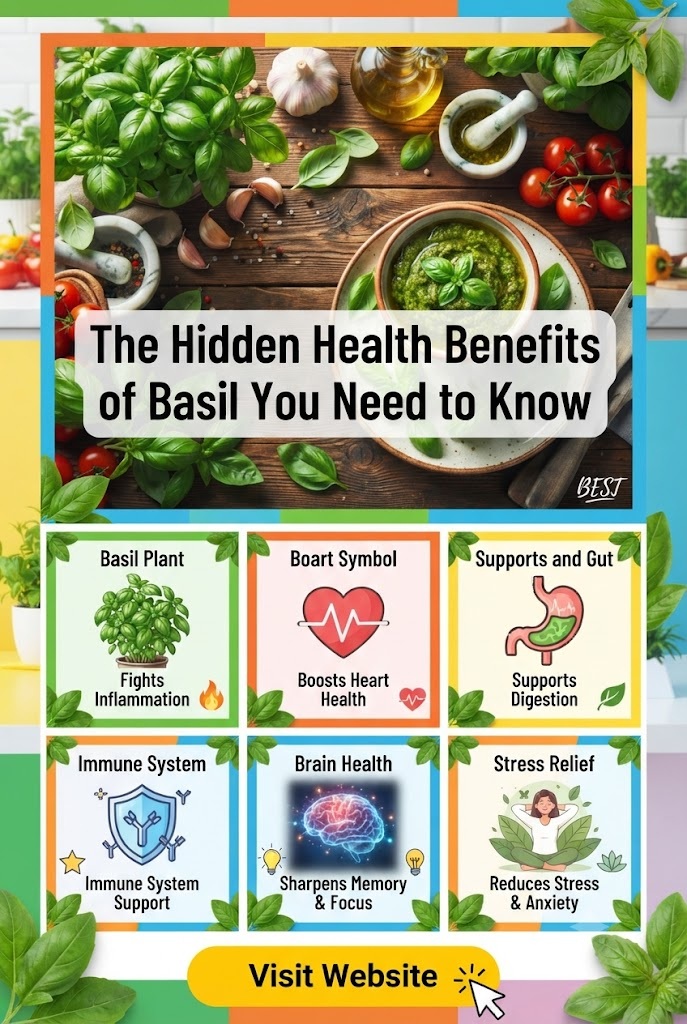
Basil remedies for wellness
The Ultimate Guide to Basil Remedies: Nature’s Green Elixir for Holistic Wellness
For thousands of years, basil has been revered not just as a culinary staple but as a “royal herb” and a potent medicinal powerhouse. Known scientifically as Ocimum basilicum, and in its most sacred form as Ocimum sanctum (Holy Basil or Tulsi), this vibrant green plant is more than just the base for a delicious pesto. It is a complex pharmacological factory, packed with essential oils, phenolic compounds, and life-enhancing antioxidants.
In this comprehensive guide, we will explore the depths of basil’s healing potential, dive into the science behind its benefits, and provide detailed, step-by-step recipes for creating your own basil-based remedies at home.
1. The Botanical Powerhouse: Understanding Basil Varieties
Before diving into remedies, it is crucial to understand that not all basil is created equal. There are over 60 varieties, each with a unique chemical profile.
Sweet Basil (Ocimum basilicum)
The most common variety found in grocery stores. It is rich in eugenol, which gives it a clove-like scent, and linalool, which provides a floral note. It is primarily used for digestive health and anti-inflammatory purposes.
Holy Basil / Tulsi (Ocimum sanctum)
In Ayurveda, Tulsi is known as the “Incomparable One.” It is an adaptogen, meaning it helps the body adapt to stress and promotes mental balance. It contains high levels of ursolic acid and rosmarinic acid.
Thai Basil (Ocimum basilicum var. thyrsiflora)
Identifiable by its purple stems and anise-like scent. It is particularly effective for respiratory issues and antimicrobial applications.
Lemon and Lime Basil
These contain high concentrations of citral and limonene, making them excellent for detoxification and boosting the immune system.
2. The Nutritional and Chemical Profile of Basil
To understand why basil works, we must look at its molecular makeup. Basil is a dense source of:
- Vitamin K: Essential for blood clotting and bone health.
- Vitamin A (Beta-carotene): Protects epithelial cells and supports vision.
- Essential Oils: Including eugenol, citronellol, linalool, citral, and terpineol. These oils are the primary drivers of basil’s antibacterial and anti-inflammatory properties.
- Flavonoids: Specifically vicenin and orientin, which protect cell structures and chromosomes from radiation and oxygen-based damage.
- Magnesium: Promotes cardiovascular health by relaxing muscles and blood vessels.
3. Therapeutic Benefits of Basil
A. Stress and Anxiety Reduction
Holy Basil (Tulsi) is world-renowned for its ability to lower cortisol levels. By acting on the adrenal glands, it helps the body maintain homeostasis during times of physical or emotional stress. It enhances the body’s resilience, making it a natural alternative to modern anti-anxiety supplements.
B. Anti-Inflammatory and Joint Support
The eugenol found in basil blocks the activity of an enzyme called cyclooxygenase (COX). This is the same mechanism used by over-the-counter anti-inflammatory drugs like ibuprofen and aspirin. This makes basil a powerful natural remedy for individuals suffering from rheumatoid arthritis or inflammatory bowel conditions.
C. Digestive Health
Basil is a carminative herb. It helps soothe the digestive tract, reduces gas, and eases stomach cramps. It also acts as a mild diuretic, helping to detoxify the kidneys and reduce bloating.
D. Cardiovascular Protection
The antioxidant properties of basil prevent free radicals from oxidizing cholesterol in the bloodstream. Oxidized cholesterol is what builds up in artery walls. Furthermore, the magnesium in basil improves blood flow and reduces the risk of irregular heart rhythms.
E. Antimicrobial and Antibacterial Actions
Studies have shown that basil essential oils can inhibit the growth of various bacteria, including Staphylococcus aureus, E. coli, and Salmonella. It is an excellent natural preservative and a topical treatment for skin infections.
4. Deep-Dive Recipes: How to Make Basil Remedies at Home
This section provides complete, detailed instructions for creating potent wellness products using basil.
Remedy 1: The “Immune-Shield” Holy Basil (Tulsi) Tea
This tea is designed for daily consumption to manage stress and fortify the immune system.
Ingredients:
- 1 cup of fresh Holy Basil leaves (or 2 tablespoons of dried leaves)
- 2 cups of filtered water
- 1-inch piece of fresh ginger, sliced
- 1 teaspoon of raw organic honey (optional)
- A squeeze of fresh lemon
Instructions:
- Boil the Water: Bring the filtered water to a rolling boil in a non-reactive pot (glass or stainless steel).
- Add Ginger: Add the sliced ginger and simmer for 5 minutes. This helps extract the ginger’s warming gingerols.
- Infuse the Basil: Turn off the heat. Add the basil leaves. Crucial Step: Cover the pot immediately with a tight-fitting lid. This prevents the volatile essential oils from escaping with the steam.
- Steep: Let the mixture steep for 7 to 10 minutes.
- Strain: Strain the liquid into a mug.
- Enhance: Once the tea has cooled slightly (to preserve the enzymes in the honey), add the honey and lemon.
- Dosage: Drink 1-2 cups daily, preferably in the morning or during times of high stress.
Remedy 2: Basil-Infused Healing Honey (For Coughs and Sore Throats)
A potent expectorant and throat-soother that combines the antibacterial power of honey with the anti-tussive properties of basil.
Ingredients:
- 1 cup of fresh Sweet Basil or Thai Basil leaves
- 1.5 cups of raw, unpasteurized honey
- A clean, dry glass mason jar
Instructions:
- Prepare the Leaves: Wash the basil leaves and pat them completely dry. Any moisture can cause the honey to ferment or mold.
- Bruise the Basil: Lightly crush the leaves with a mortar and pestle or the back of a spoon to release the oils.
- Layering: Place the bruised leaves in the jar and pour the honey over them.
- Remove Air Bubbles: Use a clean chopstick to stir the honey, ensuring all leaves are submerged and air bubbles are removed.
- Infusion Period: Seal the jar and place it in a cool, dark place for 2 to 4 weeks. Turn the jar upside down every few days.
- Strain and Store: After the infusion period, you can strain the leaves out or leave them in.
- Usage: Take 1 teaspoon directly for a cough, or stir into warm water.
Remedy 3: Therapeutic Basil Tincture (The Long-Term Extract)
Tinctures are concentrated liquid extracts that use alcohol to pull out the medicinal compounds that water cannot.
Ingredients:
- Fresh Holy Basil or Sweet Basil (enough to fill a jar half-full)
- 80-100 proof Vodka or Brandy (at least 40% alcohol)
- Amber glass bottle for storage
Instructions:
- Chop the Basil: Finely chop the fresh basil to increase the surface area.
- Jar Prep: Fill a glass jar halfway with the chopped basil.
- Add Alcohol: Pour the alcohol over the basil until the jar is full, ensuring the leaves are completely covered by at least an inch of liquid.
- Maceration: Seal the jar tightly. Label it with the date and type of basil used. Store in a dark cupboard for 4 to 6 weeks.
- Shake Daily: Shake the jar once a day to ensure the alcohol is circulating through the plant material.
- Strain: Using cheesecloth, strain the liquid into an amber glass bottle. Squeeze the cloth hard to get every last drop of the “marc” (the plant material).
- Dosage: Use 20-30 drops in a small amount of water up to three times a day for digestive support or stress relief.
Remedy 4: Basil Leaf Steam Inhalation (For Sinus Congestion)
When you have a cold or sinus infection, the volatile oils in basil can act as a natural decongestant.
Ingredients:
- A large handful of fresh Thai Basil or Sweet Basil
- A large bowl of boiling water
- A thick bath towel
Instructions:
- Setup: Place the basil leaves at the bottom of the large bowl.
- Pour: Carefully pour boiling water over the leaves.
- Position: Place the bowl on a sturdy table. Sit comfortably and lean your face over the bowl (keep a safe distance of about 8-10 inches to avoid steam burns).
- Towel Tent: Drape the towel over your head and the bowl to create a steam tent.
- Breathe: Close your eyes and breathe deeply through your nose for 5-10 minutes. The eugenol and camphene in the basil will help open the airways.
Remedy 5: Anti-Acne Basil Skin Toner
Basil’s antimicrobial properties make it an excellent treatment for acne-prone skin without the harshness of chemicals.
Ingredients:
- 1/2 cup of fresh basil leaves
- 1 cup of distilled water
- 2 tablespoons of organic Apple Cider Vinegar (with “the mother”)
Instructions:
- Decoction: Simmer the basil leaves in distilled water for 10 minutes.
- Cool: Allow the mixture to cool completely.
- Combine: Strain the liquid and mix with the Apple Cider Vinegar.
- Storage: Store in a glass spray bottle in the refrigerator.
- Application: After cleansing your face, apply the toner with a cotton ball or spray directly onto the skin. Use twice daily. The basil kills bacteria, while the vinegar balances the skin’s pH.
5. Maximizing Potency: Growing and Harvesting for Medicine
If you want the most effective remedies, you must ensure the basil you use is at its peak potency.
Cultivation Tips for High Oil Content
- Sunlight: Basil needs at least 6 to 8 hours of direct sunlight. The more sun it gets, the more essential oils the plant produces as a defense mechanism.
- Soil: Use well-draining soil rich in organic matter. Avoid over-fertilizing with nitrogen, as this can lead to large leaves with diluted oil concentration.
- Watering: Water at the base of the plant. Wet leaves can lead to fungal issues like downy mildew, which ruins the medicinal quality.
The Art of Harvesting
- Timing: Harvest basil in the morning after the dew has dried but before the sun is at its hottest. This is when the concentration of essential oils is highest.
- Pruning: Never let your basil flower if you intend to use it for medicine. Once the plant “bolts” (flowers), the energy shifts from the leaves to seed production, and the leaves become bitter and lose their medicinal oils. Pinch off the top sets of leaves regularly to encourage bushy growth.
6. Scientific Deep Dive: Why Basil Works
To truly appreciate basil, we must look at the specific compounds that make it a “super-herb.”
Eugenol: The Natural Antiseptic
Eugenol is the primary volatile oil in basil. It has been studied extensively for its ability to fight oxidative stress and its role as a natural analgesic. In dental medicine, eugenol is used as a local anesthetic; in the body, it helps reduce systemic inflammation.
Rosmarinic Acid: The Brain Booster
Found abundantly in Holy Basil, rosmarinic acid has neuroprotective effects. It helps in the management of Alzheimer’s and other neurodegenerative diseases by preventing the buildup of plaque in the brain and reducing neuro-inflammation.
Apigenin and Luteolin
These are flavonoids found in basil that have shown significant anti-cancer potential in laboratory studies. They work by inducing apoptosis (programmed cell death) in cancer cells and preventing the growth of blood vessels to tumors.
7. Basil for Mental Health: The Adaptogenic Effect
In the modern world, “burnout” is a common ailment. Holy Basil (Tulsi) is one of the few herbs classified as a true adaptogen.
How Adaptogens Work: Adaptogens don’t just “fix” one thing. They work on the Hypothalamic-Pituitary-Adrenal (HPA) axis. If your cortisol is too high (stress), they help bring it down. If your energy is too low (fatigue), they help bring it up.
The Ritual of Basil: Beyond the chemistry, the act of growing, harvesting, and brewing basil tea acts as a mindfulness practice. The aromatic compounds linalool and limonene have immediate calming effects on the nervous system when inhaled, making the preparation of the remedy part of the cure itself.
8. Culinary Medicine: Incorporating Basil into Every Meal
You don’t always need a tincture or tea to reap the benefits. Using basil in your daily cooking is a form of “preventative medicine.”
Therapeutic Pesto Recipe
Standard pesto is good, but this version is designed for maximum health.
Ingredients:
- 4 cups fresh Sweet Basil leaves (tightly packed)
- 1/2 cup Walnuts (rich in Omega-3s)
- 3 cloves of raw Garlic (antibacterial and heart-healthy)
- 1/2 cup Extra Virgin Olive Oil (high-quality polyphenols)
- 2 tablespoons fresh Lemon Juice (Vitamin C and flavor)
- A pinch of Sea Salt
Instructions:
- Toast the Walnuts: Lightly toast the walnuts to release their oils.
- Pulse: In a food processor, pulse the garlic and walnuts until finely ground.
- Blend: Add the basil and lemon juice. Pulse while slowly drizzling in the olive oil.
- Keep it Raw: Do not heat this pesto. Use it as a dip or toss it with warm pasta at the very last second. Heating the pesto will destroy the delicate Vitamin C and volatile oils in the basil.
9. Safety, Side Effects, and Precautions
While basil is generally safe, its potency requires respect.
- Blood Thinning: Basil contains high levels of Vitamin K, which is essential for clotting. However, in concentrated forms (like extracts), it may interfere with blood-thinning medications like Warfarin. Always consult a doctor if you are on medication.
- Pregnancy: While culinary amounts are safe, therapeutic doses of Holy Basil (Tulsi) should be avoided during pregnancy as it can occasionally affect uterine contractions.
- Blood Sugar: Basil can lower blood sugar levels. Diabetics should monitor their levels closely when starting a regular basil regimen.
- Surgery: Stop taking medicinal amounts of basil at least two weeks before a scheduled surgery due to its potential effects on blood sugar and thinning.
10. Conclusion: Embracing the Basil Lifestyle
Basil is a testament to the fact that nature provides us with everything we need to thrive. Whether you are using Sweet Basil to settle an upset stomach, Holy Basil to navigate a stressful week, or Thai Basil to clear a congested chest, you are participating in a tradition of healing that spans millennia.
By integrating these remedies into your life—starting with a simple morning cup of Tulsi tea or a home-grown batch of antimicrobial toner—you are taking a powerful step toward holistic wellness. Basil is not just a garnish; it is a green guardian for your health.
Summary Checklist for Basil Wellness:
- Grow your own for maximum oil potency.
- Cover your tea while steeping to trap healing vapors.
- Use Holy Basil for stress and Sweet Basil for digestion.
- Always use raw honey in remedies to keep enzymes intact.
- Consult a professional if you are on pharmaceutical medications.
Start your journey today with one of the recipes above and experience why basil has been called the “King of Herbs” for over 5,000 years.