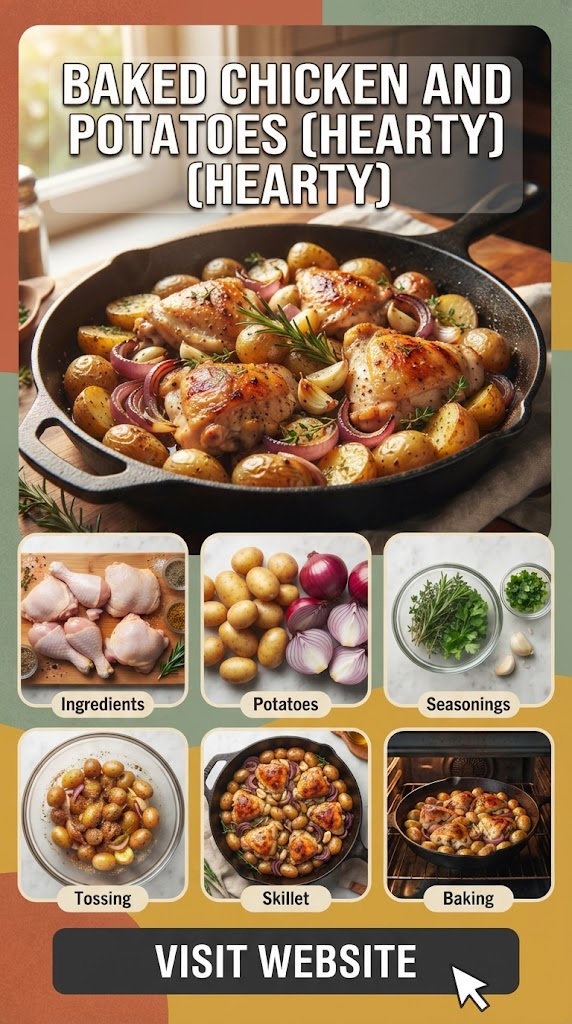

Oven-Roasted Chicken (Whole Bird)
Oven-Roasted Chicken (Whole Bird): Juicy, Crispy, and Perfectly Golden Every Time
Oven-roasted chicken is one of those timeless meals that can turn a simple dinner into something special. A whole chicken roasted in the oven develops beautifully crisp, golden skin while the meat stays tender and juicy underneath. The best part is that you do not need complicated ingredients or advanced cooking skills to make an impressive roast chicken at home.
With a few simple seasonings, fresh herbs, garlic, butter or olive oil, and the right roasting technique, you can create a flavorful centerpiece for a family dinner, Sunday meal, holiday gathering, or meal-prep session.
The key to excellent oven-roasted chicken is understanding a few simple principles: dry the skin well, season generously, use the right oven temperature, roast until the thickest part reaches a safe internal temperature, and allow the chicken to rest before carving.
Below is a complete recipe with detailed ingredients, preparation instructions, cooking times, serving ideas, substitutions, storage tips, and troubleshooting advice.
Why You’ll Love This Oven-Roasted Chicken
There are plenty of reasons to make a whole roasted chicken at home.
Crispy golden skin
Drying the chicken thoroughly before roasting helps the skin become crisp and deeply golden. A small amount of oil or melted butter also helps the seasonings adhere while encouraging browning.
Juicy meat
Roasting the chicken correctly prevents the breast meat from becoming dry. Using a meat thermometer is one of the easiest ways to avoid overcooking.
Simple ingredients
You do not need a long list of specialty ingredients. Basic pantry seasonings, garlic, herbs, lemon, butter, and a whole chicken are enough to create excellent flavor.
Great for family dinners
A whole roasted chicken can feed several people and pairs beautifully with potatoes, vegetables, salad, rice, bread, or gravy.
Delicious leftovers
Leftover roasted chicken can be used in sandwiches, wraps, salads, soups, casseroles, tacos, pasta, and rice dishes.
Complete Oven-Roasted Chicken Recipe
Recipe at a Glance
Recipe: Oven-Roasted Chicken
Type: Main Course
Cuisine: American-inspired
Prep Time: 20 minutes
Optional Drying Time: 4–24 hours
Cooking Time: Approximately 1 hour 20 minutes to 1 hour 45 minutes
Resting Time: 15–20 minutes
Total Active Time: About 2 hours
Servings: 6–8
Difficulty: Easy to moderate
Cooking time depends on the size of your chicken. Always rely on the internal temperature rather than time alone.
Ingredients
For the Chicken
- 1 whole chicken, approximately 4–5 pounds
- 2 tablespoons olive oil or softened unsalted butter
- 1½ teaspoons kosher salt
- 1 teaspoon paprika
- 1 teaspoon garlic powder
- 1 teaspoon onion powder
- ½ teaspoon freshly ground black pepper
- ½ teaspoon dried thyme
- ½ teaspoon dried rosemary
- ½ teaspoon dried oregano
For the Cavity
- 1 lemon, quartered
- 1 small onion, quartered
- 4–5 garlic cloves, lightly crushed
- 3–4 fresh thyme sprigs
- 2–3 fresh rosemary sprigs
For the Roasting Pan
- 1 large onion, sliced
- 2 carrots, cut into large pieces
- 2 celery stalks, cut into large pieces
- ½–1 cup chicken broth or water
Optional Finishing
- 1 tablespoon melted butter
- 1 tablespoon chopped fresh parsley
- Extra freshly ground black pepper
- Lemon wedges
Choosing the Right Chicken
The quality of your chicken can make a noticeable difference in the finished dish.
Look for a whole chicken that has firm, intact skin without excessive liquid in the package. A chicken weighing approximately 4–5 pounds is convenient for a family meal.
If you are feeding a larger group, you can use a larger bird, but remember that cooking time will increase.
For the most accurate results, use the weight printed on the package as a general guide and then verify doneness with an instant-read thermometer.
Step 1: Prepare the Chicken
Remove the chicken from its packaging.
Check the cavity for a packet containing giblets. If present, remove the packet before cooking. You can discard it or save it for stock or gravy.
Pat the chicken extremely well with paper towels.
This step is more important than it may seem.
Moisture on the skin creates steam during roasting, which can interfere with browning and crisping. The drier the surface, the better your chances of achieving beautifully crisp skin.
Do not rinse raw chicken. Rinsing can spread raw poultry juices around your sink and kitchen without making the chicken safer.
Instead, simply pat it dry thoroughly.
Step 2: Dry the Chicken for Extra-Crispy Skin
For the crispiest skin, place the uncovered chicken on a rack over a tray and refrigerate it for several hours, preferably overnight.
A drying period of 4–24 hours works well.
This allows moisture on the surface to evaporate while the salt begins seasoning the chicken.
However, if you are preparing dinner on the same day, do not worry. You can still make excellent roasted chicken by patting the bird thoroughly dry and proceeding with the recipe.
Step 3: Make the Seasoning Mixture
In a small bowl, combine:
- Salt
- Paprika
- Garlic powder
- Onion powder
- Black pepper
- Dried thyme
- Dried rosemary
- Dried oregano
Mix everything thoroughly.
The paprika gives the skin a warm golden-red appearance while garlic, onion, thyme, rosemary, and oregano provide a savory herb flavor.
If you prefer a more traditional herb-roasted chicken, you can reduce the paprika and increase the rosemary and thyme.
Step 4: Prepare the Aromatics
Cut the lemon into quarters.
Quarter the onion and lightly crush the garlic cloves.
Gather the fresh herbs.
Place the lemon, onion, garlic, thyme, and rosemary inside the cavity of the chicken.
These ingredients are primarily used to perfume the chicken while it roasts. They add subtle flavor and aroma without requiring a complicated stuffing.
Do not tightly pack the cavity. Air should still be able to circulate.
Step 5: Season the Chicken
Place the chicken breast-side up.
Rub the olive oil or softened butter all over the chicken.
Try to coat the breast, thighs, drumsticks, wings, and sides evenly.
Sprinkle the seasoning mixture generously over the entire surface.
For even more flavor, gently loosen the skin over the breast with your fingers and rub a small amount of softened butter underneath the skin.
Be careful not to tear the skin.
Seasoning underneath the skin directly flavors the breast meat while the butter helps keep it moist.
Step 6: Prepare the Roasting Pan
Spread the chopped onion, carrots, and celery across the bottom of a roasting pan.
Place a roasting rack over the vegetables if you have one.
Set the chicken breast-side up on the rack.
If you do not have a roasting rack, place the chicken directly over the vegetables.
Add approximately ½ cup of chicken broth or water to the bottom of the pan.
The liquid should sit underneath the chicken rather than cover the vegetables.
The vegetables will help flavor the pan juices, which can later be used to make gravy.
Step 7: Preheat the Oven
Preheat your oven to:
425°F (220°C).
Allow the oven to fully preheat before placing the chicken inside.
Starting with a hot oven helps the skin begin browning immediately.
Step 8: Roast the Chicken
Place the roasting pan in the center of the oven.
Roast at 425°F (220°C) for approximately 20 minutes.
Then reduce the oven temperature to:
375°F (190°C).
Continue roasting until the chicken reaches the appropriate internal temperature.
A 4–5 pound chicken will commonly require approximately 1 hour 20 minutes to 1 hour 45 minutes total, but ovens and chickens vary.
Do not depend solely on the clock.
Step 9: Check the Internal Temperature
Insert an instant-read thermometer into the thickest part of the thigh without touching the bone.
The chicken should reach at least:
165°F (74°C)
for food safety.
You can also check the thickest part of the breast.
If the breast is browning too quickly while the rest of the chicken still needs additional cooking, loosely cover the breast area with aluminum foil.
Do not wrap the entire chicken tightly because this can trap steam and soften the skin.
Step 10: Let the Chicken Rest
Once the chicken is cooked, carefully remove it from the oven.
Transfer it to a cutting board.
Allow it to rest for approximately 15–20 minutes before carving.
This resting period is essential.
When chicken comes out of the oven, its juices are extremely hot and concentrated inside the meat. Cutting immediately can cause many of those juices to run onto the cutting board.
Resting allows the juices to redistribute throughout the meat.
The result is more tender and juicy chicken.
Step 11: Make Quick Pan Gravy
Do not throw away those flavorful pan juices.
You can turn them into a simple gravy.
Strain the liquid from the roasting pan into a measuring cup.
Allow the fat to rise to the surface.
Melt 2 tablespoons of butter in a saucepan.
Whisk in 2 tablespoons of flour.
Cook for approximately 1–2 minutes while whisking.
Slowly add about 1½ cups of the reserved pan juices or chicken broth.
Continue whisking until smooth.
Simmer until thickened.
Taste and adjust the seasoning with salt and pepper.
For extra richness, add a small spoonful of the chicken drippings.
How to Carve a Whole Roasted Chicken
Carving a whole chicken may look intimidating, but it is actually straightforward.
First, remove the legs.
Pull one leg away from the body and cut through the joint connecting the thigh to the chicken.
Repeat with the other leg.
Separate the thighs from the drumsticks if desired.
Next, remove the breasts.
Run your knife along one side of the breastbone and follow the natural shape of the rib cage.
Slice the breast meat into even pieces.
Finally, remove the wings.
Arrange everything on a serving platter.
Pour a little pan juice over the sliced chicken if desired.
What Makes This Chicken So Flavorful?
The flavor comes from several simple techniques working together.
Salt
Salt does more than make chicken taste salty. It enhances the natural flavor of the meat and helps season it more deeply.
Garlic
Garlic powder creates an even savory flavor on the skin, while fresh garlic inside the cavity adds aroma.
Herbs
Rosemary and thyme provide a classic roast chicken flavor. Oregano adds another layer of herbal character.
Paprika
Paprika contributes color and mild sweetness.
Lemon
Lemon provides a subtle citrus aroma that balances the richness of the chicken.
Butter or Olive Oil
Fat helps carry the seasoning across the skin and promotes browning.
Tips for Extra-Crispy Chicken Skin
If crispy skin is your goal, follow these techniques.
Dry the chicken thoroughly
Use plenty of paper towels to remove surface moisture.
Refrigerate uncovered
Leaving the chicken uncovered in the refrigerator for several hours dries the skin naturally.
Do not cover the chicken during roasting
Covering traps steam and can soften the skin.
Avoid excessive liquid
Too much liquid in the roasting pan creates a steamy environment.
Use high heat initially
Starting at 425°F helps begin the browning process.
Do not baste constantly
Frequent basting can add moisture to the skin and cause the oven temperature to fluctuate.
For crispy skin, it is often better to leave the chicken alone while it roasts.
How to Keep the Breast Meat Juicy
Chicken breast is lean, which means it can become dry if overcooked.
The most important strategy is to monitor the temperature.
Do not continue roasting simply because the recipe’s estimated cooking time has been reached.
Use a thermometer.
Another helpful technique is placing butter underneath the breast skin.
You can also roast the chicken breast-side up throughout cooking.
If the skin becomes dark before the meat is finished, loosely tent the breast with foil.
Should You Truss the Chicken?
Trussing means tying the legs together before roasting.
It can help the chicken maintain a neat shape and create an attractive presentation.
However, trussing is optional.
If you choose to truss the chicken, use kitchen twine and tie the legs loosely.
Do not tie them so tightly that the cavity becomes completely closed.
For an easy weeknight dinner, you can skip trussing entirely.
Should You Stuff the Chicken?
This recipe uses aromatics rather than traditional bread stuffing.
Lemon, onion, garlic, and herbs are placed loosely inside the cavity for aroma.
If you want to cook stuffing, it is generally easier and more controllable to bake it separately.
A separate baking dish allows the stuffing to cook evenly without requiring the chicken to remain in the oven longer than necessary.
Flavor Variations
One of the best things about whole roasted chicken is how easily you can change the seasoning.
Garlic Herb Chicken
Use extra fresh garlic, rosemary, thyme, and parsley.
Add softened butter beneath the skin.
Lemon Pepper Chicken
Replace some of the paprika with lemon zest and increase the amount of black pepper.
Serve with fresh lemon wedges.
Smoky Paprika Chicken
Use smoked paprika instead of regular paprika.
Add a pinch of cayenne pepper for heat.
Mediterranean Chicken
Season with oregano, thyme, garlic, lemon zest, and black pepper.
Add olives and lemon wedges around the chicken during roasting.
Honey Herb Chicken
Brush the chicken lightly with a mixture of honey and melted butter during the final few minutes of roasting.
Watch carefully because honey can brown quickly.
Spicy Roasted Chicken
Add cayenne pepper, chili powder, smoked paprika, and garlic powder to the seasoning.
Best Side Dishes for Oven-Roasted Chicken
Whole roasted chicken works with almost everything.
Roasted Potatoes
Cut potatoes into chunks and roast them in the chicken drippings.
They become crisp outside and tender inside.
Mashed Potatoes
Creamy mashed potatoes are especially good with pan gravy.
Roasted Carrots
Carrots become naturally sweet when roasted.
Green Beans
Fresh green beans provide a lighter vegetable side.
Dinner Rolls
Warm rolls are perfect for soaking up pan gravy.
Simple Green Salad
A crisp salad balances the richness of the roasted chicken.
Rice
Plain steamed rice or herbed rice makes an easy family-friendly side.
How to Store Leftover Chicken
Allow leftover chicken to cool promptly.
Remove the meat from the bones if you do not plan to eat it immediately.
Store it in an airtight container in the refrigerator.
Use refrigerated leftovers within a few days, following standard food-safety practices.
For longer storage, freeze the cooked chicken in airtight freezer-safe containers or bags.
Label the container with the date.
How to Reheat Roasted Chicken
The microwave is convenient, but it can dry chicken quickly.
For better results, place leftover chicken in a baking dish.
Add a small splash of chicken broth or water.
Cover loosely with foil.
Warm in a moderate oven until heated through.
For crispy skin, remove the foil during the final few minutes.
You can also reheat smaller portions in an air fryer.
How to Use Leftover Roasted Chicken
Leftovers can become completely different meals.
Chicken Sandwiches
Shred the chicken and combine it with mayonnaise, celery, black pepper, and herbs.
Chicken Salad
Add grapes, celery, toasted nuts, and a creamy dressing.
Chicken Soup
Use the meat with vegetables, broth, and noodles.
Chicken Tacos
Shred the chicken and warm it with taco seasoning.
Serve with tortillas, lettuce, tomatoes, cheese, and salsa.
Chicken Pasta
Combine leftover chicken with pasta, garlic, vegetables, and a creamy or tomato-based sauce.
Chicken Fried Rice
Dice the chicken and stir-fry it with cooked rice, vegetables, egg, and soy sauce.
Chicken Wraps
Add sliced chicken, lettuce, tomato, cucumber, and your favorite dressing to a tortilla.
Common Mistakes to Avoid
Mistake 1: Not drying the chicken
Wet skin struggles to become crisp.
Solution: Pat the chicken very dry before seasoning.
Mistake 2: Guessing when it is done
Cooking times vary.
Solution: Use an instant-read thermometer.
Mistake 3: Cutting immediately
This can cause juices to run out.
Solution: Rest the chicken for 15–20 minutes.
Mistake 4: Over-seasoning one area
Uneven seasoning can produce salty bites and bland bites.
Solution: Spread the seasoning evenly over the entire bird.
Mistake 5: Using too much liquid
Excess liquid can create steam.
Solution: Add only a modest amount of broth to the bottom of the pan.
Mistake 6: Overcooking the breast
Breast meat dries faster than dark meat.
Solution: Monitor the temperature carefully.
Frequently Asked Questions
How long does a whole chicken take to roast?
A 4–5 pound chicken will often take around 1 hour 20 minutes to 1 hour 45 minutes, depending on the oven and bird.
However, cooking time is only an estimate.
Always check the internal temperature.
What temperature should whole chicken reach?
The thickest part should reach 165°F (74°C) for food safety.
Do I need to wash the chicken?
No. Washing raw chicken can spread bacteria around your kitchen. Pat it dry with paper towels instead.
Can I prepare the chicken the night before?
Yes.
You can season the chicken and leave it uncovered in the refrigerator overnight. This can also help dry the skin for better browning.
Can I use butter instead of olive oil?
Absolutely.
Softened butter gives the chicken a rich flavor and encourages beautiful browning.
Can I roast vegetables with the chicken?
Yes.
Potatoes, carrots, onions, celery, and other sturdy vegetables work particularly well.
Why isn’t my chicken skin crispy?
The most common reasons are excess moisture, too much liquid in the pan, low oven temperature, or covering the chicken.
Dry the chicken thoroughly and avoid covering it.
Can I use dried herbs?
Yes.
Dried thyme, rosemary, oregano, Italian seasoning, or poultry seasoning can all work well.
Complete Step-by-Step Cooking Summary
For quick reference, here is the entire method.
- Remove the chicken from its packaging.
- Remove any giblet packet from the cavity.
- Pat the chicken completely dry.
- For extra-crispy skin, refrigerate uncovered for 4–24 hours.
- Preheat the oven to 425°F (220°C).
- Mix salt, paprika, garlic powder, onion powder, pepper, thyme, rosemary, and oregano.
- Rub the chicken with olive oil or softened butter.
- Season the entire chicken evenly.
- Place lemon, onion, garlic, and fresh herbs inside the cavity.
- Place vegetables in the roasting pan.
- Set the chicken breast-side up over the vegetables.
- Add a small amount of chicken broth or water to the pan.
- Roast at 425°F for about 20 minutes.
- Reduce the oven to 375°F (190°C).
- Continue roasting until the thickest part reaches at least 165°F (74°C).
- If necessary, loosely cover the breast with foil if it browns too quickly.
- Remove the chicken from the oven.
- Rest for 15–20 minutes.
- Carve the chicken.
- Serve with roasted vegetables, potatoes, salad, rolls, or gravy.
Nutrition Information
Nutrition varies depending on the size of the chicken, whether you eat the skin, and the amount of butter or oil used.
An approximate serving of roasted chicken can provide substantial protein along with fats and essential nutrients.
For accurate nutritional information, calculate the recipe using the exact chicken weight and ingredients used.
If serving guests with specific dietary requirements, check the labels of packaged seasonings and broth.
Final Thoughts
Oven-roasted chicken is a recipe worth mastering because it is simple enough for an ordinary weeknight but impressive enough for a Sunday dinner or special gathering.
The secret is not complicated.
Start with a properly dried chicken. Season it generously. Add aromatic ingredients such as lemon, garlic, onion, rosemary, and thyme. Begin roasting at a high temperature to encourage browning, then lower the heat so the chicken can cook evenly. Most importantly, use an instant-read thermometer instead of relying entirely on the clock.
Once the chicken reaches a safe internal temperature, let it rest before carving. That short resting period can make a noticeable difference in the texture and juiciness of the meat.
Serve your golden roasted chicken with potatoes, vegetables, salad, warm bread, or homemade gravy. And do not forget about the leftovers—they can become sandwiches, soups, tacos, salads, pasta, wraps, and many other easy meals.
With this method, a basic whole chicken becomes a flavorful, comforting centerpiece that your family can enjoy again and again.