Chicken and Quinoa Bowl (Healthy)
In the landscape of modern nutrition, few dishes have achieved the “superfood” status and culinary versatility of the Chicken and Quinoa Bowl. Often referred to as a “Power Bowl” or “Buddha Bowl,” this meal has become a staple in the American diet, from bustling Manhattan lunch spots to quiet suburban meal-prep Sundays. It represents the perfect intersection of macro-nutritional balance, ease of preparation, and gastronomic satisfaction.
Whether you are an elite athlete looking for a post-workout recovery meal, a busy professional seeking sustained energy throughout the workday, or a parent trying to introduce nutrient-dense grains to the family dinner table, the chicken and quinoa bowl is the answer. This comprehensive guide explores every facet of this dish—from its historical roots to the science of its satiety.
Why the Chicken and Quinoa Bowl is the Gold Standard of Healthy Eating
The popularity of the chicken and quinoa bowl in the United States isn’t just a trend; it’s a response to the growing demand for “functional foods.” These are foods that provide health benefits beyond basic nutrition.
1. A Complete Protein Profile
One of the primary reasons health experts laud this combination is the protein synergy. Chicken is a high-quality lean protein, but quinoa is the secret weapon. Unlike most plant-based grains, quinoa is a “complete protein,” meaning it contains all nine essential amino acids that the human body cannot produce on its own. When you combine the animal-based protein of chicken with the plant-based protein of quinoa, you are providing your muscles with the optimal building blocks for repair and growth.
2. Sustained Energy and Glycemic Control
Unlike white rice or pasta, which can cause rapid spikes and crashes in blood sugar, quinoa is a complex carbohydrate with a low glycemic index (GI). The high fiber content in quinoa (about 5 grams per cup) slows down the digestion process. This results in a slow, steady release of glucose into the bloodstream, keeping your energy levels stable for hours and preventing the dreaded “afternoon slump.”
3. Versatility and Adaptability
The “bowl” format is inherently customizable. It serves as a blank canvas for various flavor profiles—be it Mediterranean, Mexican, Asian, or Middle Eastern. This adaptability ensures that “healthy eating” never becomes synonymous with “boring eating.”
The Anatomy of a Perfect Chicken and Quinoa Bowl
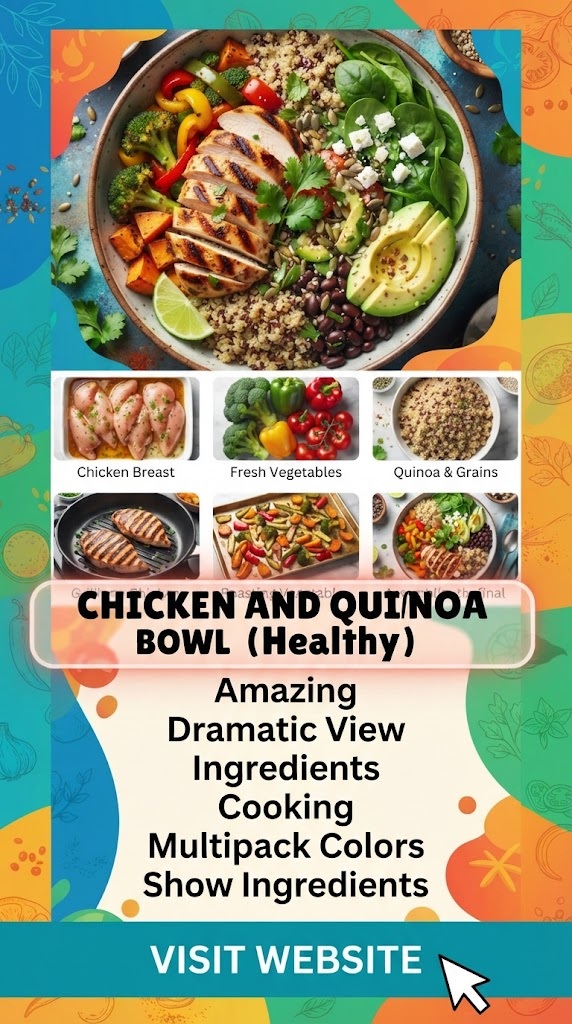
To create a bowl that is both nutritionally balanced and delicious, you must follow a specific structural formula. A world-class bowl isn’t just a pile of ingredients; it is a curated experience of textures and flavors.
The Base: Quinoa Masterclass
Quinoa (Chenopodium quinoa) is an ancient pseudocereal that originated in the Andean region of South America. To get the perfect base, you must understand the varieties:
- White Quinoa: The most common, with the mildest flavor and the fluffiest texture.
- Red Quinoa: Holds its shape better after cooking, offering a heartier, crunchier texture and a slightly nutty taste.
- Black Quinoa: The earthiest and sweetest of the three, maintaining a striking color even after boiling.
Pro Tip: Always rinse your quinoa in a fine-mesh strainer before cooking. This removes the “saponin,” a natural coating that can taste bitter or soapy.
The Protein: The Art of the Chicken
For a healthy bowl, chicken breast is the traditional choice due to its low fat-to-protein ratio. However, chicken thighs offer more moisture and flavor while still being a healthy option if trimmed of excess fat.
- Preparation Method: Grilling, poaching, or air-frying are the healthiest methods. Avoid deep-frying or heavy breading, which adds unnecessary calories and trans fats.
- Marination: This is where the flavor starts. A simple marinade of lemon juice, olive oil, garlic, and dried oregano can transform a plain chicken breast into a gourmet component.
The “Color” (Vegetables)
A healthy bowl should be at least 50% vegetables. Aim for a mix of cooked and raw:
- Roasted: Sweet potatoes, broccoli, Brussels sprouts, or bell peppers.
- Raw/Fresh: Sliced cucumbers, cherry tomatoes, shredded carrots, or radishes.
- Greens: A bed of kale, spinach, or arugula adds volume and vital micronutrients like Vitamin K and Folate.
The Healthy Fats
Fats are essential for the absorption of fat-soluble vitamins (A, D, E, and K).
- Avocado: The king of healthy bowl fats, providing monounsaturated oleic acid.
- Nuts and Seeds: Toasted almonds, pumpkin seeds (pepitas), or hemp hearts add a much-needed crunch.
- Extra Virgin Olive Oil: Often used in the dressing to provide heart-healthy polyphenols.
The Sauce (The “Glue”)
The dressing is what ties the disparate elements together. Avoid store-bought dressings laden with high-fructose corn syrup and preservatives. A simple Tahini-Lemon dressing or a Balsamic Vinaigrette made at home can elevate the dish while keeping it clean.
Step-by-Step Recipe: The Zesty Lemon-Herb Chicken Quinoa Bowl
This recipe serves as the quintessential template for a healthy, balanced meal. It is designed to be easy enough for a weeknight dinner but sophisticated enough for guests.
Ingredients
- For the Quinoa: 1 cup quinoa, 2 cups water (or low-sodium chicken bone broth for extra protein), pinch of salt.
- For the Chicken: 2 large chicken breasts, 1 tbsp olive oil, 1 tsp dried oregano, 1 tsp garlic powder, salt and black pepper to taste.
- For the Bowl: 2 cups fresh baby spinach, 1 cup halved cherry tomatoes, 1 cucumber (diced), 1/2 red onion (thinly sliced), 1 avocado (sliced).
- For the Lemon-Tahini Dressing: 2 tbsp tahini, juice of 1 lemon, 1 tbsp maple syrup or honey, 1 clove minced garlic, 1-2 tbsp warm water to thin.
Instructions
- Prepare the Quinoa: In a medium saucepan, combine rinsed quinoa and water/broth. Bring to a boil, then reduce heat to low, cover, and simmer for 15 minutes. Remove from heat and let it sit, covered, for 5 minutes. Fluff with a fork. This “resting” period is crucial for achieving a light, airy texture.
- Cook the Chicken: While the quinoa is simmering, season the chicken breasts with oregano, garlic powder, salt, and pepper. Heat olive oil in a skillet over medium-high heat. Cook the chicken for 6-7 minutes per side or until the internal temperature reaches 165°F (74°C). Let the chicken rest for 5 minutes before slicing into strips to keep the juices locked in.
- Whisk the Dressing: In a small bowl, whisk together tahini, lemon juice, sweetener, and garlic. Gradually add warm water until the dressing reaches a pourable consistency.
- Assemble the Bowls: Divide the spinach and cooked quinoa among four bowls. Top with the sliced chicken, cherry tomatoes, cucumber, red onion, and avocado.
- Finish: Drizzle the lemon-tahini dressing generously over each bowl. Garnish with fresh parsley or red pepper flakes if desired.
Global Variations: Taking Your Bowl Around the World
One of the reasons the chicken and quinoa bowl is a mainstay in American “fast-casual” dining (like Sweetgreen or Cava) is its ability to take on different cultural identities.
1. The Southwest Chipotle Bowl
Transform your bowl into a Mexican-inspired feast.
- Protein: Season chicken with cumin, chili powder, and lime.
- Mix-ins: Black beans, roasted corn, Pico de Gallo, and pickled jalapeños.
- Dressing: A creamy Greek yogurt-based cilantro lime sauce.
- Nutritional Benefit: The fiber from the black beans combined with quinoa creates a powerhouse for gut health.
2. The Mediterranean Greek Bowl
This is perhaps the most popular variation, leaning into the heart-healthy Mediterranean diet.
- Protein: Lemon-oregano grilled chicken.
- Mix-ins: Kalamata olives, feta cheese (in moderation), chickpeas, and a dollop of hummus.
- Dressing: Red wine vinaigrette with plenty of dried herbs.
- Nutritional Benefit: High in antioxidants from the olives and heart-healthy fats from the olive oil.
3. The Asian-Inspired Ginger Soy Bowl
For those who crave umami and spice.
- Protein: Chicken sautéed with ginger, garlic, and a splash of tamari (gluten-free soy sauce).
- Mix-ins: Edamame, shredded purple cabbage, snap peas, and toasted sesame seeds.
- Dressing: A spicy peanut sauce or a sesame-ginger vinaigrette.
- Nutritional Benefit: Cabbage and edamame provide high levels of Vitamin C and plant-based protein.
The Science of Meal Prepping: Why Chicken and Quinoa Bowls Win
Meal prepping is the cornerstone of maintaining a healthy lifestyle in a fast-paced society. The chicken and quinoa bowl is the “holy grail” of meal prep for several reasons.
1. Temperature Versatility
Unlike many meals that must be eaten hot (like a steak) or cold (like a delicate salad), the chicken and quinoa bowl tastes excellent at room temperature or even cold. This makes it the perfect office lunch for those who may not have access to a microwave.
2. Structural Integrity
Quinoa is much sturdier than leafy greens. While a pre-dressed salad will turn into a soggy mess within two hours, a quinoa bowl can be dressed in the morning and still maintain its texture by lunchtime. In fact, the quinoa often absorbs the dressing, becoming even more flavorful.
3. Batch Cooking Efficiency
You can cook a massive pot of quinoa and a tray of roasted chicken on a Sunday evening. These components can be stored in the refrigerator for up to 4-5 days. By varying the vegetables and sauces, you can eat a “different” meal every day of the week using the same base ingredients.
Meal Prep Storage Tips:
- The “Mason Jar” Method: If using a jar, put the dressing at the very bottom, followed by the quinoa, then the chicken, and finally the fresh greens on top. This prevents the greens from wilting.
- Avocado Preservation: If prepping in advance, do not slice the avocado until you are ready to eat, or toss the slices in lemon juice to prevent browning (oxidation).
Nutritional Deep Dive: The Micronutrients You’re Getting
While we often focus on “Macros” (Protein, Carbs, Fats), the “Micros” (Vitamins and Minerals) are where the chicken and quinoa bowl truly shines.
- Manganese: Quinoa is exceptionally high in manganese, which is essential for bone health and metabolism.
- Magnesium: One cup of quinoa provides about 30% of the RDA for magnesium, which helps with muscle relaxation and sleep quality.
- Iron: Both chicken (especially dark meat) and quinoa contain iron, which is vital for oxygen transport in the blood.
- B-Vitamins: Chicken is a significant source of B12 and Niacin, which support brain function and energy production.
- Antioxidants: Quinoa contains large amounts of quercetin and kaempferol—two flavonoids that have been shown to have anti-inflammatory, anti-viral, and anti-depressant effects.
Common Mistakes to Avoid When Making Healthy Bowls
Even with a dish this simple, there are pitfalls that can turn a healthy meal into a high-calorie trap.
- Overdoing the “Healthy” Fats: Avocado and nuts are great, but they are calorie-dense. A single avocado can have over 300 calories. Stick to 1/4 or 1/2 an avocado per bowl.
- Using Store-Bought “Teriyaki” or “Barbecue” Sauces: These are often liquid sugar. Always check the labels or, better yet, make your own.
- Neglecting the Seasoning of the Quinoa: Many people find quinoa “boring” because they cook it in plain water without salt. Using vegetable or chicken broth makes a world of difference in the final flavor profile.
- Improper Chicken Texture: Overcooked chicken breast is dry and chalky. Use a meat thermometer to ensure you pull the chicken off the heat the moment it reaches safety standards.
Customizing for Specific Dietary Needs
The beauty of the Chicken and Quinoa Bowl is that it is naturally inclusive of various dietary restrictions.
- Gluten-Free: Quinoa is naturally gluten-free, making this an ideal meal for those with Celiac disease or gluten sensitivity. Just ensure your soy sauce (if using) is replaced with Tamari or Coconut Aminos.
- Dairy-Free: Most bowl variations are naturally dairy-free. If a recipe calls for feta or cheese, it can easily be swapped for nutritional yeast or extra olives for that salty kick.
- Low-Carb / Paleo: While quinoa is a grain-like seed and generally avoided on strict Paleo/Keto diets, you can “cut” the quinoa with cauliflower rice to lower the carbohydrate count while still enjoying the texture.
- High-Calorie (Bulking): If you are trying to gain weight or muscle, double the quinoa portion and add a larger serving of nuts and seeds.
The Environmental and Ethical Impact
In the 21st century, healthy eating also involves considering the planet.
- Sourcing Chicken: Choosing pasture-raised or organic chicken supports more humane farming practices and often results in meat with a higher Omega-3 fatty acid content.
- Sustainable Quinoa: As quinoa’s popularity exploded, there were concerns about its impact on farmers in Bolivia and Peru. Today, many brands are “Fair Trade Certified,” ensuring that the farmers who grow this ancient grain are paid a living wage and use sustainable farming methods.
Frequently Asked Questions (FAQ)
Is quinoa better for you than brown rice?
Both are healthy, but quinoa is generally considered superior because it has a higher protein content, more fiber, and a lower glycemic index. Quinoa also contains a wider variety of minerals.
Can I freeze chicken and quinoa bowls?
You can freeze the cooked chicken and cooked quinoa separately. However, do not freeze the fresh vegetables or the dressing, as the texture will degrade significantly upon thawing.
How do I make my quinoa less “mushy”?
The secret to non-mushy quinoa is the 1:2 ratio (one part quinoa to two parts water) and allowing it to steam off the heat for 5-10 minutes after the water has been absorbed. Never overcook it!
Is this bowl good for weight loss?
Yes. Because it is high in protein and fiber, it promotes satiety (the feeling of fullness). This makes you less likely to snack on high-calorie foods later in the day.
Conclusion: Embracing the Bowl Lifestyle
The Healthy Chicken and Quinoa Bowl is more than just a meal; it is a philosophy of eating. It prioritizes whole, unprocessed ingredients, emphasizes a balance of nutrients, and celebrates global flavors. By mastering the basic components—the fluffy quinoa, the succulent chicken, the vibrant vegetables, and the zesty dressing—you empower yourself to take control of your health without sacrificing the joy of eating.
In a world of complicated diets and conflicting nutritional advice, the simplicity of the bowl remains a beacon of common sense. It is a dish that nourishes the body, satisfies the palate, and fits perfectly into the busy rhythm of modern American life. So, grab a bowl, start experimenting with colors and textures, and discover why this simple combination has become the ultimate standard for healthy living.