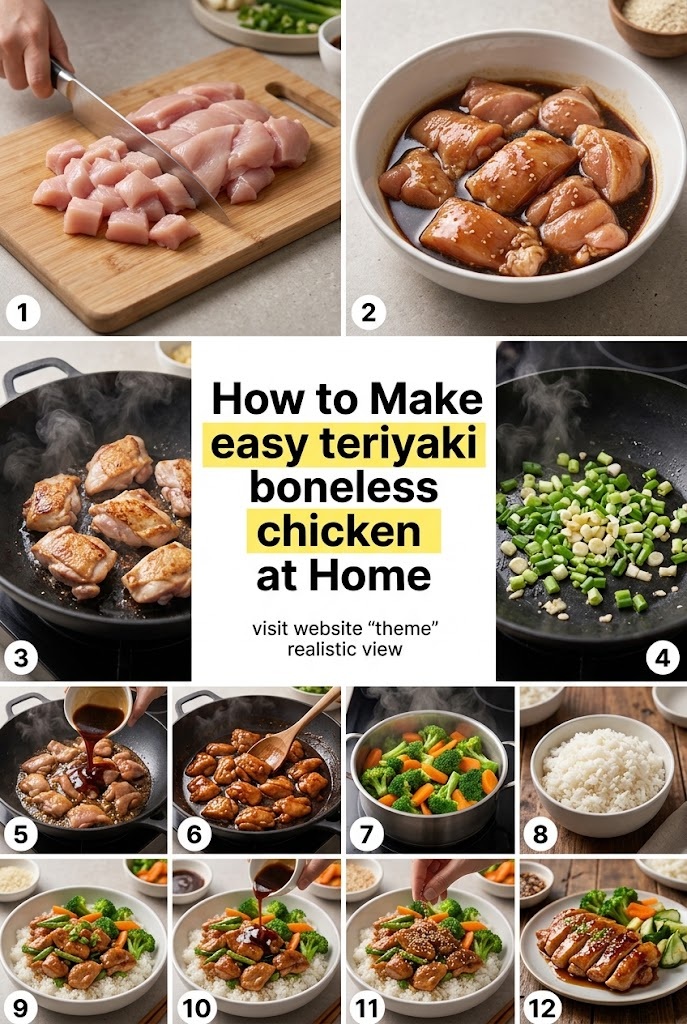

Baked Chicken Breasts (Juicy Every Time)
Baked Chicken Breasts (Juicy Every Time)
Baked chicken breasts are one of the easiest meals to prepare, but getting them consistently juicy, tender, and flavorful can be surprisingly tricky. Chicken breast is naturally lean, so it can quickly become dry when it is cooked too long or at an inconsistent temperature. The good news is that with a few simple techniques—proper seasoning, even thickness, the right oven temperature, and careful attention to internal temperature—you can make delicious baked chicken breasts every time.
This recipe is designed for a reliable weeknight dinner. The chicken develops a lightly golden, flavorful exterior while remaining moist and tender inside. It requires simple pantry ingredients and only one baking dish or sheet pan, making cleanup easy.
Whether you are preparing meal-prep lunches, feeding your family, or simply looking for an easy high-protein dinner, this baked chicken breast recipe is a dependable option.
Why This Baked Chicken Breast Recipe Works
The secret to juicy baked chicken is not complicated. It comes down to controlling moisture and avoiding overcooking.
Chicken breasts vary considerably in thickness. A thick end may still be undercooked while a thin end becomes dry. Gently pounding the chicken to a more even thickness helps it cook at a consistent rate.
A small amount of olive oil helps the seasonings adhere to the chicken and encourages better browning. A flavorful combination of paprika, garlic powder, onion powder, Italian seasoning, salt, and black pepper creates a savory crust without overpowering the natural flavor of the chicken.
Most importantly, use an instant-read thermometer. Chicken should reach a safe internal temperature of 165°F (74°C). Because cooking times can vary depending on breast size, oven performance, and starting temperature, temperature is a much better indicator of doneness than time alone.
Complete Recipe
Recipe Name
Baked Chicken Breasts (Juicy Every Time)
Preparation Time
15 minutes
Marinating/Resting Time
Optional: 15–30 minutes
Cooking Time
Approximately 18–25 minutes, depending on thickness
Total Time
About 35–45 minutes
Servings
4
Difficulty
Easy
Cooking Method
Oven baked
Ingredients
Main Ingredients
- 4 boneless, skinless chicken breasts, about 6–8 ounces each
- 2 tablespoons olive oil
- 1 teaspoon paprika
- 1 teaspoon garlic powder
- 1 teaspoon onion powder
- 1 teaspoon Italian seasoning
- 1 teaspoon kosher salt
- ½ teaspoon freshly ground black pepper
- ½ teaspoon smoked paprika, optional
- ½ teaspoon dried parsley, optional
- 1 tablespoon fresh lemon juice
- 2 cloves garlic, finely minced, optional
For the Baking Dish
- 1 tablespoon olive oil or cooking spray
- 2–3 tablespoons chicken broth or water, optional
Optional Garnish
- Fresh parsley, chopped
- Lemon wedges
- A sprinkle of paprika
- Freshly cracked black pepper
Ingredient Notes
Chicken Breasts
Use boneless, skinless chicken breasts of relatively similar size whenever possible. Similar-sized pieces cook more evenly.
Very thick chicken breasts can be butterflied or gently pounded before cooking. This is one of the easiest ways to prevent the outside from becoming dry before the center is finished.
Fresh chicken is ideal, but frozen chicken can also be used after completely thawing it in the refrigerator.
Olive Oil
Olive oil adds moisture and helps the seasoning stick to the chicken. It also encourages browning during baking.
You can substitute avocado oil or another neutral cooking oil if preferred.
Paprika
Regular paprika gives the chicken a warm color and mild sweetness. Smoked paprika can be added for a deeper, slightly smoky flavor.
Garlic Powder
Garlic powder distributes evenly over the chicken and provides a dependable savory flavor. Fresh garlic can also be used, although garlic powder is less likely to burn during high-temperature baking.
Italian Seasoning
Italian seasoning typically combines herbs such as oregano, basil, thyme, and rosemary. It works especially well with chicken and gives the recipe a classic herb flavor.
Lemon Juice
Fresh lemon juice adds brightness and balances the richness of the olive oil and seasonings. For the strongest fresh flavor, squeeze the lemon over the chicken immediately before serving.
How to Prepare the Chicken
Before seasoning, remove the chicken breasts from their packaging and pat them thoroughly dry with paper towels.
This step is easy to overlook, but it makes a difference. Excess surface moisture can prevent the chicken from browning properly.
Inspect each breast for uneven thickness. If one side is significantly thicker than the other, place the chicken between two pieces of plastic wrap or parchment paper and gently pound the thickest areas with a meat mallet or rolling pin.
The goal is not to flatten the chicken completely. Instead, aim for a relatively uniform thickness of about ¾ to 1 inch.
This allows the chicken to cook more evenly.
Optional Brining Step
For exceptionally juicy chicken, you can use a quick dry-brining technique.
Sprinkle the chicken breasts lightly with the measured salt and place them uncovered in the refrigerator for 30 minutes to several hours.
This allows the salt to penetrate the meat and season it more deeply.
If you dry-brine the chicken, do not add another full amount of salt to the seasoning mixture. Otherwise, the finished chicken may become too salty.
If you are short on time, you can skip this step entirely.
The recipe will still produce juicy chicken when properly cooked.
How to Make Baked Chicken Breasts
Step 1: Preheat the Oven
Preheat your oven to 425°F (220°C).
Allow the oven to fully preheat before putting the chicken inside.
A properly heated oven helps the chicken cook efficiently while developing a lightly browned exterior.
If your oven has a convection setting, you can use it, but reduce the temperature slightly according to your oven manufacturer’s recommendations.
Step 2: Prepare the Baking Dish
Lightly grease a baking dish or rimmed baking sheet with olive oil or cooking spray.
You can also line a baking sheet with parchment paper for easier cleanup.
Arrange the chicken breasts in a single layer.
Avoid overlapping the chicken pieces because this can cause uneven cooking.
If desired, add 2–3 tablespoons of chicken broth or water to the bottom of the baking dish. This is optional, but it can provide a little additional moisture in the cooking environment.
Do not add so much liquid that the chicken is sitting in a pool of broth.
Step 3: Make the Seasoning
In a small bowl, combine:
- Paprika
- Garlic powder
- Onion powder
- Italian seasoning
- Black pepper
- Smoked paprika, if using
- Dried parsley, if using
Mix thoroughly.
If you did not dry-brine the chicken, add the teaspoon of salt to this mixture.
Step 4: Coat the Chicken
Drizzle the chicken breasts with olive oil.
Rub the oil over both sides of each breast.
Sprinkle the seasoning mixture evenly over the chicken.
Use your hands or a spoon to distribute the seasoning across the entire surface.
Make sure the sides of the chicken receive some seasoning as well.
For even stronger flavor, allow the seasoned chicken to rest for 10–15 minutes before baking.
Step 5: Bake the Chicken
Place the baking dish in the preheated oven.
Bake for approximately 18–25 minutes, depending on the size and thickness of the chicken breasts.
Smaller breasts may cook more quickly, while very large breasts can require additional time.
Avoid relying solely on the clock.
Instead, begin checking the chicken’s temperature toward the end of the expected cooking time.
Insert an instant-read thermometer into the thickest part of the largest chicken breast.
The chicken should reach 165°F (74°C) for food safety.
Step 6: Rest the Chicken
Once the chicken reaches the appropriate internal temperature, remove it from the oven.
Transfer it to a cutting board or leave it in the baking dish.
Loosely cover it with foil and let it rest for approximately 5–10 minutes.
This resting period allows the juices to redistribute throughout the meat.
Cutting into the chicken immediately can cause some of the juices to escape onto the cutting board instead of remaining in the meat.
Step 7: Add Fresh Lemon
After resting, squeeze fresh lemon juice over the chicken.
You can also garnish the breasts with chopped fresh parsley and a little freshly cracked black pepper.
Slice the chicken against the grain and serve.
How to Know When Chicken Breast Is Done
The most reliable method is an instant-read thermometer.
Insert the thermometer into the thickest portion of the breast, avoiding the baking dish or bone if you are using bone-in chicken.
The chicken is considered safely cooked when the internal temperature reaches 165°F (74°C).
Color alone is not a reliable way to determine doneness.
Likewise, cooking time is only an estimate because chicken breasts differ in size and thickness.
A thermometer removes much of the guesswork.
Why Chicken Breasts Become Dry
Dry chicken usually comes from one of several common problems.
1. Overcooking
This is the most common reason.
Chicken breast contains relatively little fat. Once it is cooked beyond what is necessary, moisture is gradually lost.
2. Uneven Thickness
If the breast is very thick on one end and thin on the other, the thin portion may become dry while you wait for the thick center to finish cooking.
Pounding the chicken to a more uniform thickness helps solve this problem.
3. Oven Temperature Problems
Some ovens run hotter or cooler than their displayed temperature.
If you consistently find that your chicken cooks too quickly or too slowly, an inexpensive oven thermometer can help you determine whether your oven temperature is accurate.
4. Cutting Immediately
Slicing the chicken immediately after removing it from the oven can release juices.
Allowing it to rest for several minutes produces a noticeably better texture.
Tips for Juicy Baked Chicken Breasts
Pound the Chicken Evenly
You do not need to flatten the chicken dramatically. Simply make the thickest areas closer in thickness to the thinner areas.
This produces much more consistent cooking.
Don’t Skip the Oil
A small amount of oil helps the seasonings stick and improves browning.
It also gives the surface a more appetizing texture.
Season Generously
Chicken breast has a mild flavor, so adequate seasoning is important.
Make sure both sides are coated.
Use a Thermometer
This is perhaps the single best tip for consistent results.
Instead of asking, “How many minutes should I bake this chicken?” ask, “What temperature has the chicken reached?”
Let It Rest
Five to ten minutes can make a meaningful difference.
The chicken should remain warm while resting, so there is no need to leave it uncovered for a long time.
Variations
Lemon Herb Chicken
Increase the lemon flavor by adding:
- 1 teaspoon lemon zest
- 1 tablespoon additional lemon juice
- Extra dried oregano
- Fresh parsley
This variation is light, fresh, and excellent with roasted vegetables.
Garlic Parmesan Chicken
Add:
- ½ cup grated Parmesan cheese
- 1 teaspoon additional garlic powder
- ½ teaspoon dried oregano
Sprinkle Parmesan over the chicken during the final few minutes of baking so it can become lightly golden.
Spicy Baked Chicken
For a spicy version, add:
- ½–1 teaspoon cayenne pepper
- ½ teaspoon chili powder
- ½ teaspoon crushed red pepper flakes
Adjust the amount of heat according to your preference.
Honey Mustard Chicken
Combine:
- 2 tablespoons honey
- 2 tablespoons Dijon mustard
- 1 teaspoon olive oil
- ½ teaspoon garlic powder
Brush the mixture over the chicken before baking.
Because honey can brown quickly, keep an eye on the chicken during the final portion of cooking.
Mediterranean Chicken
Add:
- Dried oregano
- Lemon zest
- Garlic
- Crumbled feta
- Chopped parsley
Serve with cucumber, tomatoes, olives, and warm pita.
What to Serve With Baked Chicken Breast
This chicken pairs well with almost any side dish.
Vegetables
Try:
- Roasted broccoli
- Green beans
- Asparagus
- Brussels sprouts
- Roasted carrots
- Zucchini
- Sautéed spinach
Starches
Good options include:
- Mashed potatoes
- Roasted potatoes
- Rice
- Brown rice
- Quinoa
- Couscous
- Pasta
- Orzo
Fresh Sides
For a lighter meal, serve the chicken with:
- Garden salad
- Greek salad
- Cucumber tomato salad
- Coleslaw
- Avocado salad
Sauces
Although the chicken is flavorful on its own, a sauce can transform it into a completely different meal.
Try:
- Garlic butter
- Lemon herb sauce
- Honey mustard
- Mushroom sauce
- Tzatziki
- Pesto
- Creamy garlic sauce
- Tomato basil sauce
Meal-Prep Instructions
Baked chicken breasts are excellent for meal preparation.
Allow the cooked chicken to cool appropriately before placing it into airtight containers.
For meal prep, slice or cube the chicken and divide it into individual portions.
Pair each portion with a carbohydrate and vegetable.
For example:
Meal 1: Chicken + rice + broccoli
Meal 2: Chicken + roasted potatoes + green beans
Meal 3: Chicken + quinoa + cucumber tomato salad
Meal 4: Chicken + pasta + spinach
You can also leave the chicken whole and slice it just before serving.
Storage
Store cooked chicken in an airtight container in the refrigerator.
For best quality, use refrigerated leftovers within a few days.
If you want to keep the chicken longer, freeze individual portions in freezer-safe containers or bags.
Label the container with the date so you can easily track how long it has been stored.
How to Reheat Baked Chicken Without Drying It Out
Reheating chicken can make it dry, especially if it is reheated aggressively.
For microwave reheating, place sliced chicken on a microwave-safe plate and add a small splash of chicken broth or water.
Cover loosely and heat in short intervals until warmed through.
For oven reheating, place the chicken in a baking dish with a small amount of broth and cover it with foil.
Heat gently until warm.
The key is to avoid repeatedly heating the chicken for longer than necessary.
Can You Freeze Baked Chicken Breast?
Yes.
Baked chicken breasts freeze well when properly packaged.
For best results, allow the chicken to cool, then wrap individual portions tightly or place them in freezer-safe containers.
Removing as much excess air as possible helps reduce freezer burn.
When ready to use, thaw the chicken in the refrigerator and reheat gently.
You can also freeze chopped or shredded chicken and use it later in salads, wraps, soups, casseroles, pasta dishes, and sandwiches.
Frequently Asked Questions
Can I bake chicken breasts at 400°F?
Yes. Chicken breasts can be successfully baked at several oven temperatures.
A 400°F oven may require somewhat longer cooking than a 425°F oven.
Regardless of oven temperature, use an instant-read thermometer and cook the chicken to 165°F (74°C).
Should I cover chicken breasts while baking?
You generally do not need to cover them.
Leaving the chicken uncovered allows the surface to brown.
If you are reheating cooked chicken, covering it can help retain moisture.
Should I put water in the baking dish?
You do not have to.
A few tablespoons of chicken broth or water can be used if desired, but the chicken does not need to be submerged.
Should I marinate chicken before baking?
Marinating can add flavor, but it is not required.
A simple seasoning mixture with olive oil can produce excellent results.
Why is my chicken rubbery?
Rubbery chicken can result from overcooking or, in some cases, cooking chicken at an inappropriate temperature for too long.
Using a thermometer helps prevent this.
Can I use bone-in chicken breasts?
Yes, but the cooking time will be different.
Bone-in chicken breasts generally take longer to cook than boneless chicken breasts.
Always check the thickest part with a thermometer.
Can I use frozen chicken?
For best results, thaw chicken safely in the refrigerator before using this recipe.
Frozen chicken requires different cooking considerations and may cook unevenly.
Troubleshooting Guide
Chicken Is Dry
Check whether it was cooked beyond the recommended internal temperature.
Next time, begin checking the temperature earlier.
Chicken Is Bland
Increase the seasoning slightly and make sure both sides are coated.
Adding lemon juice or a sauce after cooking can also improve flavor.
Chicken Is Pale
Make sure the oven is fully preheated.
Pat the chicken dry before seasoning and avoid adding excessive liquid to the baking dish.
Chicken Is Burned on Top
Your oven may run hot, or the chicken may be positioned too close to the heating element.
Move the dish to a more central oven rack and check the temperature earlier.
Chicken Cooks Unevenly
The breasts may have significantly different thicknesses.
Pound the thicker portions before seasoning.
Easy Dinner Ideas Using Leftover Chicken
Leftover baked chicken can become the foundation for many different meals.
Chicken Wraps
Slice the chicken and add it to tortillas with lettuce, tomato, cucumber, cheese, and your favorite dressing.
Chicken Salad
Combine chopped chicken with mayonnaise or Greek yogurt, celery, herbs, black pepper, and a little lemon juice.
Chicken Pasta
Slice leftover chicken and toss it with pasta, vegetables, Parmesan, and a light garlic sauce.
Chicken Rice Bowls
Layer rice, chicken, roasted vegetables, avocado, and a flavorful sauce.
Chicken Sandwiches
Slice the chicken thinly and place it on toasted bread with lettuce, tomato, cheese, and mustard.
Chicken Tacos
Season leftover chicken with additional chili powder and cumin, then serve it in tortillas with salsa, avocado, onion, and cilantro.
Nutrition Considerations
Chicken breast is a popular ingredient for balanced meals because it provides substantial protein while being relatively lean.
However, the overall nutritional profile of the meal depends on the ingredients served alongside it.
For a lighter meal, pair baked chicken with steamed vegetables and a moderate serving of whole grains.
For a higher-calorie meal, serve it with mashed potatoes, creamy sauce, pasta, or cheese.
Because ingredient brands, chicken size, and serving portions vary, nutrition information should be calculated based on the exact ingredients used.
The Best Way to Make This Recipe Every Time
For consistently juicy baked chicken breasts, follow this simple sequence:
- Choose similarly sized chicken breasts.
- Pat them dry.
- Pound very thick portions to create a more even thickness.
- Season both sides generously.
- Coat lightly with olive oil.
- Preheat the oven completely.
- Bake at 425°F (220°C).
- Begin checking the temperature before the estimated cooking time is finished.
- Remove the chicken when it reaches 165°F (74°C).
- Rest for 5–10 minutes.
- Finish with fresh lemon juice and herbs.
- Slice against the grain and serve.
These simple steps eliminate most of the problems associated with dry baked chicken.
Complete Printable Recipe Card
Baked Chicken Breasts (Juicy Every Time)
Servings: 4
Prep Time: 15 minutes
Cook Time: 18–25 minutes
Total Time: About 35–45 minutes
Ingredients
- 4 boneless, skinless chicken breasts
- 2 tablespoons olive oil
- 1 teaspoon paprika
- 1 teaspoon garlic powder
- 1 teaspoon onion powder
- 1 teaspoon Italian seasoning
- 1 teaspoon kosher salt
- ½ teaspoon black pepper
- ½ teaspoon smoked paprika, optional
- ½ teaspoon dried parsley, optional
- 1 tablespoon fresh lemon juice
- 2 cloves minced garlic, optional
- Fresh parsley and lemon wedges for serving
Directions
1. Preheat: Heat oven to 425°F (220°C).
2. Prepare chicken: Pat chicken breasts dry. If they are very thick or uneven, gently pound the thickest areas until the breasts have a more uniform thickness.
3. Season: Combine paprika, garlic powder, onion powder, Italian seasoning, salt, pepper, smoked paprika, and parsley.
4. Oil: Rub olive oil over both sides of the chicken.
5. Coat: Sprinkle the seasoning mixture evenly over the chicken.
6. Bake: Arrange chicken in a lightly greased baking dish or on a lined baking sheet. Bake for approximately 18–25 minutes, depending on thickness.
7. Check temperature: Insert an instant-read thermometer into the thickest part of the chicken. The chicken should reach 165°F (74°C).
8. Rest: Remove from the oven and let rest for 5–10 minutes.
9. Finish: Squeeze fresh lemon juice over the chicken and garnish with parsley.
10. Serve: Slice against the grain and serve with vegetables, rice, potatoes, salad, or your favorite side dishes.
Final Tips for Perfect Results
The biggest mistake when baking chicken breast is treating cooking time as an exact measurement. Every chicken breast is different, and every oven behaves slightly differently.
Instead, use cooking time as a guide and internal temperature as your final test.
Even thickness, proper seasoning, moderate oil, a fully preheated oven, and a short resting period are the foundation of juicy chicken.
Once you master this basic recipe, you can change the seasoning to create dozens of different dinners. Add lemon and herbs for a fresh Mediterranean-style meal, Parmesan for a richer crust, chili powder for heat, or honey mustard for a sweet-savory version.
Most importantly, don’t be afraid to keep the recipe simple. Good chicken does not require a long ingredient list. When it is cooked carefully and seasoned properly, baked chicken breast can be tender, flavorful, versatile, and easy enough for a busy weeknight.
Juicy, flavorful baked chicken starts with one simple rule: don’t overcook it. Use a thermometer, let it rest, and you can enjoy tender chicken breasts every time.