Dinner-Ready Tuscan Garlic Chicken Cutlets Recipe
There is a specific kind of magic that happens when high-quality poultry meets the rustic, sun-drenched flavors of central Italy. Tuscan cuisine is celebrated worldwide for its “cucina povera” roots—simple, honest cooking that relies on the excellence of its ingredients rather than the complexity of its techniques. However, when we talk about Dinner-Ready Tuscan Garlic Chicken Cutlets, we are looking at the evolution of these traditions into a modern, weeknight staple that tastes like it spent hours simmering in a trattoria kitchen.
This comprehensive guide will walk you through every nuance of creating the perfect Tuscan chicken. We aren’t just talking about a recipe; we are talking about a culinary blueprint that covers the science of the sear, the chemistry of a velvet-smooth garlic cream sauce, and the art of balancing acidity and fat. Whether you are a seasoned home chef or someone looking to impress a first date, this is the only resource you will ever need.
The Anatomy of the Perfect Chicken Cutlet
Before the pan even touches the flame, the success of this dish is determined by how you handle the protein. A “cutlet” isn’t just a piece of chicken; it is a precision-engineered cut designed for maximum surface area and rapid, even cooking.
Why Cutlets Matter
Using a full chicken breast for a pan-seared dish often leads to a “hockey puck” scenario: the outside is dry and overcooked by the time the thickest part of the interior reaches a safe temperature. By slicing the breast into thin cutlets and pounding them to a uniform thickness (about 1/4 inch), you achieve two things:
- Increased Surface Area: More space for the Maillard reaction (browning) to occur, which equals more flavor.
- Rapid Cooking: The chicken cooks in under three minutes per side, retaining its internal moisture and structural integrity.
The Art of the Pound
To prepare your cutlets, place the sliced chicken between two sheets of plastic wrap or inside a heavy-duty gallon bag. Use the flat side of a meat mallet or even a heavy rolling pin. Start from the center and work your way outward with firm, even strokes. You aren’t trying to pulverize the meat; you are aiming for a consistent landscape that will brown evenly in the skillet.
The Tuscan Flavor Profile: Essential Ingredients
What makes a dish “Tuscan”? It’s the interplay of earthy herbs, pungent aromatics, and the brightness of preserved vegetables.
1. The Garlic (The Protagonist)
In this recipe, garlic is not a background note; it is the lead actor. We use both sliced garlic for texture and minced garlic for infusion. When garlic is sliced thinly and sautéed, it mellows into a nutty, sweet component. When minced, it releases more allicin, providing that sharp, signature bite.
2. Sun-Dried Tomatoes
Sun-dried tomatoes provide the “umami” backbone of the sauce. Look for tomatoes packed in olive oil with herbs. The oil itself is a goldmine of flavor—don’t throw it away! Use a tablespoon of that infused oil to start your sear for an extra layer of complexity.
3. Baby Spinach
Spinach adds more than just a pop of vibrant green. It provides a slight mineral bitterness that cuts through the richness of the heavy cream. It should be added at the very end, just enough to wilt, so it retains its color and a bit of structural “snap.”
4. Heavy Cream and Parmigiano-Reggiano
The sauce is an emulsion of chicken juices, garlic, cream, and cheese. Authentic Parmigiano-Reggiano is crucial here. The “green can” stuff contains cellulose (wood pulp) to prevent clumping, which will result in a grainy, broken sauce. Freshly grated cheese melts into the cream to create a silky, restaurant-quality finish.
The Recipe: Dinner-Ready Tuscan Garlic Chicken Cutlets
Prep time: 15 minutes
Cook time: 20 minutes
Servings: 4
Ingredients
The Chicken:
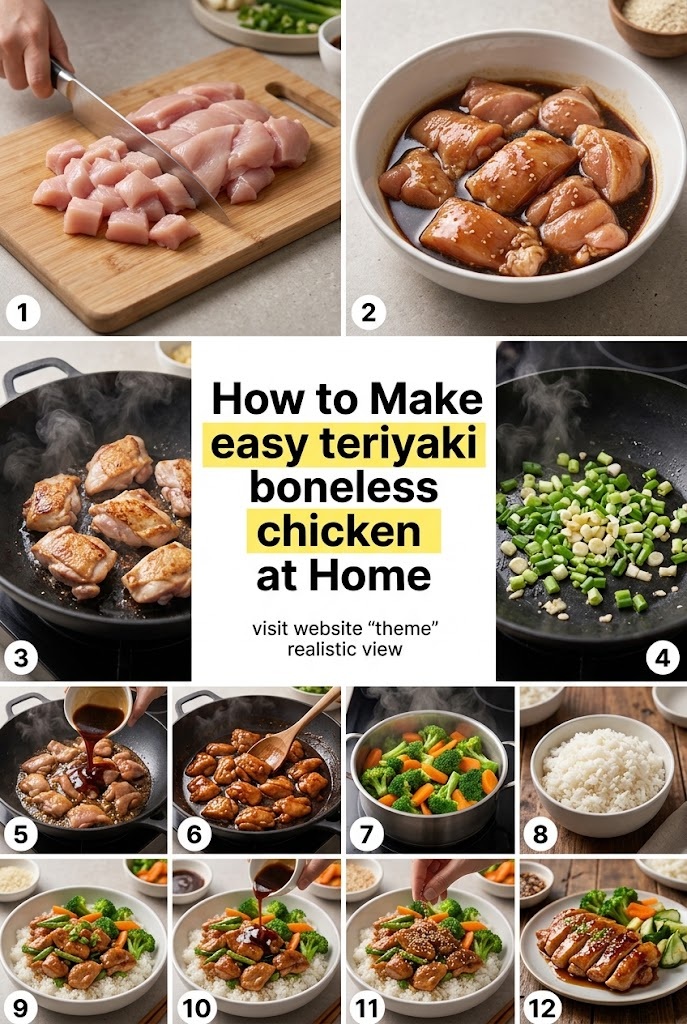
- 1.5 lbs Boneless, skinless chicken breasts (sliced into 4-6 cutlets)
- 1/2 cup All-purpose flour (for dredging)
- 1 tsp Smoked paprika
- 1 tsp Garlic powder
- Salt and freshly cracked black pepper to taste
- 2 tbsp Extra virgin olive oil
- 2 tbsp Unsalted butter
The Tuscan Cream Sauce:
- 6 cloves Fresh garlic (4 minced, 2 thinly sliced)
- 1/2 cup Sun-dried tomatoes (chopped, oil-packed)
- 1 small Yellow onion or shallot (finely diced)
- 1 cup Heavy cream (room temperature)
- 1/2 cup Chicken bone broth (low sodium)
- 1/2 cup Freshly grated Parmigiano-Reggiano
- 2 cups Fresh baby spinach
- 1 tsp Dried oregano or Italian seasoning
- 1/2 tsp Red pepper flakes (optional, for heat)
- Fresh basil and parsley for garnish
Step-by-Step Instructions: A Masterclass Execution
Step 1: The Dredge and Seasoning
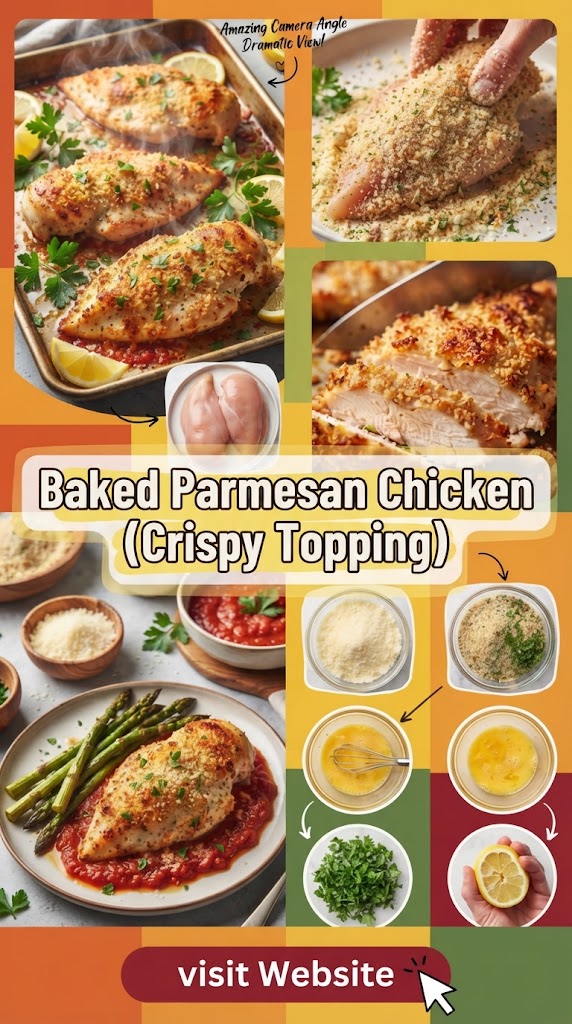
In a shallow bowl, whisk together the flour, smoked paprika, garlic powder, salt, and pepper. Pat your chicken cutlets completely dry with paper towels—moisture is the enemy of a good sear. Lightly coat each cutlet in the flour mixture, shaking off any excess. You want a translucent veil of flour, not a heavy batter. This flour will eventually help thicken the sauce.
Step 2: The Perfect Sear
Heat a large stainless steel or cast-iron skillet over medium-high heat. Add the olive oil and butter. Once the butter is foaming and just starts to turn golden, add the chicken cutlets.
- Pro Tip: Do not crowd the pan. If the cutlets are touching, the temperature of the pan will drop, and the chicken will steam instead of sear. Work in batches if necessary. Sear for 3–4 minutes per side until golden brown and cooked through (internal temp of 165°F). Remove the chicken to a plate and tent loosely with foil.
Step 3: Building the Flavor Base (The Fond)
Lower the heat to medium. In the same pan, you’ll see brown bits stuck to the bottom—this is “fond,” and it is concentrated flavor. Add the diced onions and sliced garlic. Sauté for 2 minutes until the onions are translucent. Add the minced garlic and sun-dried tomatoes, cooking for another 60 seconds until the garlic is fragrant but not burnt.
Step 4: Deglazing and Reducing
Pour in the chicken broth. Use a wooden spoon to scrape up all those delicious brown bits from the bottom of the pan. Let the broth reduce by half. This concentrates the chicken flavor and prepares the liquid to receive the cream without breaking.
Step 5: Creating the Emulsion
Turn the heat down to medium-low. Slowly pour in the heavy cream while stirring constantly. Add the oregano and red pepper flakes. Let the sauce simmer gently (do not boil vigorously, or the cream may curdle) for 3-5 minutes until it begins to thicken.
Step 6: The Finishing Touches
Whisk in the grated Parmigiano-Reggiano until melted and smooth. Toss in the baby spinach. It will look like a lot, but it will wilt down significantly in about 60 seconds. Once the spinach is wilted, taste the sauce. Adjust salt and pepper as needed.
Step 7: The Reunion
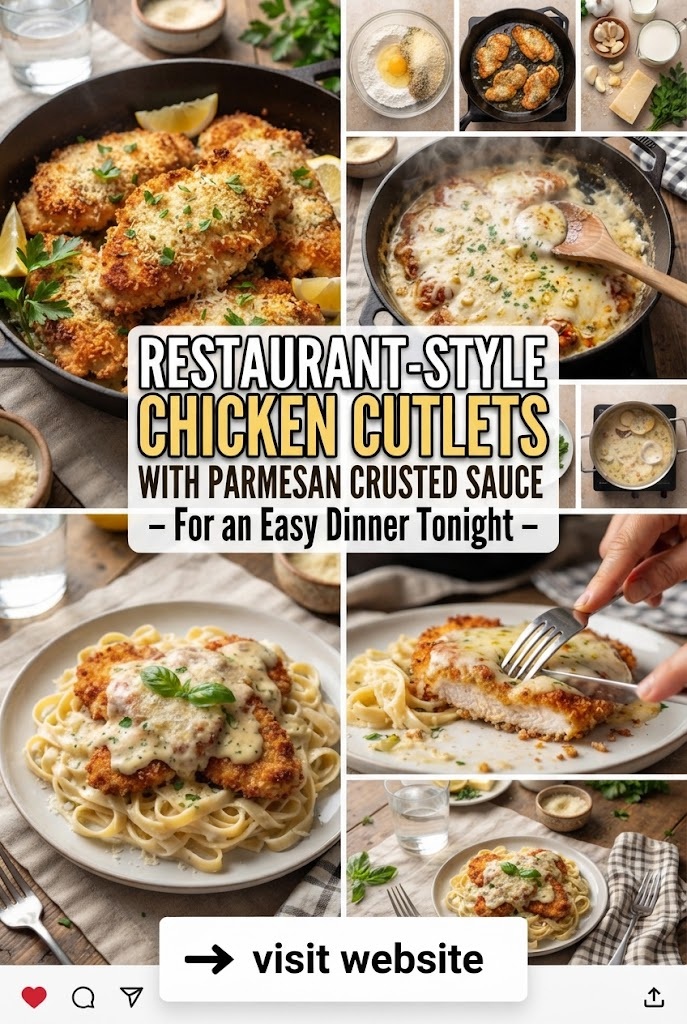
Place the chicken cutlets (and any juices that accumulated on the plate) back into the skillet. Spoon the creamy sauce over the chicken and let it simmer for one final minute to harmonize the flavors. Garnish with fresh basil and parsley.
The Science of the Sauce: Why This Works
To understand why this recipe is consistently ranked as a favorite, we have to look at the chemistry of the ingredients.
- Fat as a Flavor Carrier: Garlic and dried herbs are fat-soluble. By sautéing them in butter and olive oil before adding the liquid, you are “blooming” the spices, pulling the essential oils out and distributing them throughout the entire dish.
- The Role of Acidity: Sun-dried tomatoes are naturally acidic. In a cream-based sauce, this acidity performs a crucial task: it cuts through the heaviness of the lipids (fat), making the dish feel lighter on the palate and preventing “palate fatigue.”
- Starch Thickening: By dredging the chicken in flour, a small amount of that starch remains in the pan. When you add the broth and cream, that starch acts as a stabilizer, helping the sauce reach that perfect “nappe” consistency (thick enough to coat the back of a spoon).
Dietary Modifications and Variations
In today’s kitchen, versatility is key. Here is how you can adapt this Tuscan Garlic Chicken for various dietary needs without sacrificing the soul of the dish.
Keto and Low-Carb Version
This recipe is naturally very keto-friendly, but you can make it even better:
- The Flour: Skip the all-purpose flour dredge. Instead, season the chicken directly or use a very light dusting of almond flour or unflavored whey protein isolate.
- The Side: Serve over zoodles (zucchini noodles), steamed cauliflower, or mashed cauliflower instead of pasta.
Gluten-Free Adaptation
- Replace the all-purpose flour with a 1:1 gluten-free flour blend or cornstarch.
- Ensure your chicken broth is certified gluten-free, as some brands use yeast extract derived from barley.
Dairy-Free / Paleo Options
While the “cream” is central to the identity of this dish, you can achieve a similar result using:
- Full-fat Coconut Milk: Use the thick part at the top of the can. Note: It will add a slight coconut hint, so increase the garlic and nutritional yeast to compensate.
- Cashew Cream: Soak 1 cup of raw cashews in hot water, then blend with 1/2 cup of water until perfectly smooth. This creates a neutral, incredibly creamy base that mimics heavy cream beautifully.
Essential Kitchen Tools for Success
To achieve professional results, the tools you use are just as important as the ingredients.
- Stainless Steel Skillet: While non-stick is easier to clean, it is the enemy of the “fond.” A stainless steel pan allows the chicken to stick just enough to create those caramelized bits that make the sauce legendary.
- Microplane Grater: For the Parmigiano-Reggiano. A microplane creates a “snow” of cheese that melts instantly, ensuring your sauce never becomes lumpy.
- Meat Thermometer: The difference between juicy chicken and dry chicken is often just 5 degrees. Pull the chicken at 160°F; carry-over cooking will bring it to the safe 165°F.
- Chef’s Knife: A sharp knife is essential for slicing the chicken into even cutlets and mincing the garlic fine enough to melt into the sauce.
Perfect Pairings: What to Serve with Tuscan Chicken
A dish this rich and flavorful deserves a supporting cast that complements its profile.
The Starch
- Angel Hair Pasta: The thin strands catch the cream sauce perfectly.
- Creamy Polenta: A nod to the dish’s Northern Italian roots. The earthy corn flavor pairs beautifully with garlic.
- Garlic Mashed Potatoes: For the ultimate comfort meal.
- Crusty Ciabatta: You will want bread to mop up every last drop of the garlic cream sauce.
The Vegetable
- Roasted Asparagus: Tossed in lemon juice and olive oil to provide a bright, crunchy contrast.
- Honey-Glazed Carrots: The sweetness balances the salty parmesan.
- Arugula Salad: A simple bed of arugula with a lemon-vinaigrette serves as a peppery palate cleanser.
The Wine
When pairing wine with a creamy, garlic-heavy dish, you want something with high acidity or a bit of body.
- White: A crisp Vermentino from Tuscany is the traditional choice. Alternatively, an oaked Chardonnay can match the richness of the cream.
- Red: If you prefer red, go for a light Chianti (Sangiovese). Its high acidity and cherry notes cut through the fat without overpowering the delicate chicken.
Meal Prep and Storage Instructions
This is one of those rare dishes that might actually taste better the next day, as the garlic and herbs have more time to infuse into the cream.
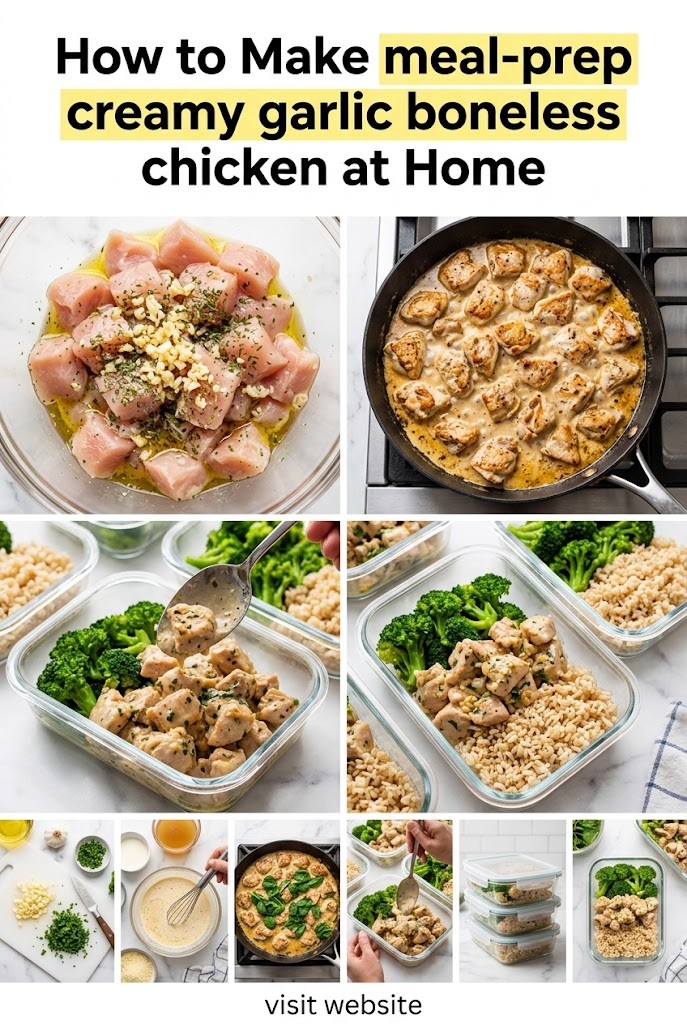
- To Store: Keep in an airtight container in the refrigerator for up to 3–4 days.
- To Reheat: The microwave can make chicken rubbery and cause the cream sauce to separate. Instead, place the chicken and sauce in a small skillet over low heat. Add a splash of milk or chicken broth to loosen the sauce. Cover and heat slowly until just warmed through.
- Can you freeze it? While you can freeze it, cream-based sauces often “split” or become grainy upon thawing. If you must freeze it, do so without the spinach, and whisk in a little fresh cream while reheating to bring the emulsion back together.
Troubleshooting Common Issues
My sauce is too thin!
Let it simmer for a few more minutes uncovered. The water in the cream and broth needs to evaporate to thicken the proteins and fats. Alternatively, whisk in an extra tablespoon of parmesan cheese.
My sauce is too salty!
Sun-dried tomatoes and parmesan are both high in sodium. If you find the sauce too salty, add a squeeze of fresh lemon juice. The acid doesn’t remove the salt, but it distracts the taste buds and balances the profile.
The garlic turned bitter.
This happens if the garlic browns too quickly or burns. Garlic should be sautéed until it is fragrant and pale gold. If it turns dark brown or black, it’s best to wipe the pan and start that step over; otherwise, the bitterness will permeate the entire sauce.
The History and Heritage of Tuscan Flavors
While “Tuscan Garlic Chicken” is a dish that gained massive popularity in American restaurant chains (like Olive Garden), its components are deeply rooted in the agricultural history of the Tuscany region.
Tuscany is known as the “Land of the Bean Eaters” (mangiafagioli), but their treatment of poultry is equally revered. In the Valdarno valley, the black chicken (Pollo del Valdarno) is a delicacy. The traditional Tuscan approach to chicken involves “In umido” techniques—cooking meat in a moist environment with tomatoes, garlic, and herbs.
The inclusion of cream is more common in Northern Italy, near the border of France, but the marriage of sun-dried tomatoes (a staple of the South) and the garlic-heavy sauces of the Central regions represents a “Pan-Italian” flavor profile that has become the gold standard for Italian-American comfort food.
By making this dish, you aren’t just making dinner; you are participating in a long-standing tradition of using the earth’s bounty—garlic from the soil, tomatoes from the sun, and greens from the garden—to create something greater than the sum of its parts.
Final Thoughts: Why This Recipe Wins
In the fast-paced world of modern cooking, we often sacrifice quality for speed. The Dinner-Ready Tuscan Garlic Chicken Cutlets recipe proves that you don’t have to. In 30 minutes, you can transform humble chicken breasts into a sophisticated, multi-layered masterpiece.
It is a dish that hits every sensory note:
- Visual: The contrast of the golden chicken, the deep red tomatoes, and the emerald spinach.
- Aroma: The intoxicating scent of blooming garlic and browning butter.
- Texture: The crispy exterior of the cutlet giving way to a tender interior, all bathed in a velvet sauce.
- Taste: A perfect balance of savory, creamy, tangy, and herbal.
The next time you’re standing in the grocery aisle wondering what to make for dinner, grab a bunch of spinach, a jar of sun-dried tomatoes, and some fresh garlic. Your kitchen is about to become the best restaurant in town.
Summary of Key Pro-Tips for Google-Ranked Success
- Dry your meat: Always pat the chicken dry for the best crust.
- Room temp cream: Prevents the sauce from “shocking” and curdling when it hits the hot pan.
- Freshly grated cheese: Non-negotiable for a smooth sauce.
- Don’t overcook the spinach: Add it at the absolute last second.
Enjoy your journey into the heart of Tuscan-inspired cooking. Buon Appetito!