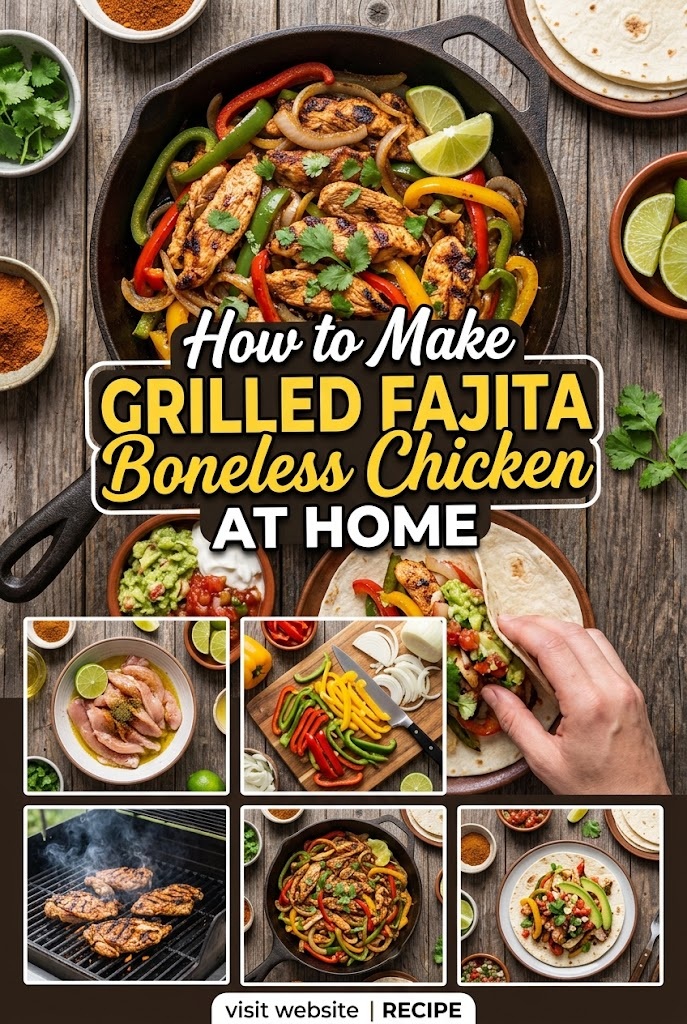
How to Make grilled fajita boneless chicken at Home
The sizzle of a hot cast-iron platter, the aromatic cloud of lime and cumin, and the vibrant colors of charred peppers and onions—there are few dining experiences as universally loved as the chicken fajita. While often seen as a restaurant-only treat, bringing this Tex-Mex classic into your home kitchen is not only possible but can actually result in a superior meal. When you take control of the ingredients, the marinade time, and the grilling temperature, you elevate the humble chicken breast into a culinary masterpiece.
This guide will walk you through every nuance of creating the perfect grilled fajita boneless chicken, from selecting the right cut of meat to the science of the marinade and the heat of the grill.
The Origins and Evolution of the Fajita
To truly master a dish, one must understand its roots. The word “fajita” is derived from the Spanish word faja, meaning “belt” or “girdle.” Historically, it referred to the skirt steak—a tough, thin cut of beef given to Mexican vaqueros (cowboys) in Texas as part of their pay. They learned to marinate this tough cut and grill it over open fires, slicing it against the grain to make it tender.
Over time, the popularity of the cooking style exploded, leading to variations that include shrimp, pork, and the most popular modern iteration: boneless chicken. Chicken fajitas offer a lighter, leaner alternative to beef while providing a fantastic canvas for the bold, smoky flavors synonymous with Tex-Mex cuisine.
Selecting the Right Chicken: Breast vs. Thighs
When making grilled fajita boneless chicken, the first decision is the cut.
Boneless Skinless Chicken Breasts
The most traditional choice for chicken fajitas is the breast. It is lean, high in protein, and provides those clean, uniform slices that look beautiful on a platter. However, chicken breast is prone to drying out if overcooked. To combat this, we rely on a high-acid marinade and careful temperature monitoring.
Boneless Skinless Chicken Thighs
If you value juiciness and flavor above all else, chicken thighs are your best friend. They have a higher fat content, which makes them much more forgiving on the grill. They stay moist even at higher temperatures and possess a richer “chicken” flavor. For the best of both worlds, many home chefs use a mix of both.
The Science of the Perfect Fajita Marinade
The marinade is where the magic happens. It serves three purposes: flavoring, tenderizing, and moisture retention. A world-class fajita marinade requires a balance of four key elements:
- Acid: Lime juice is the gold standard. The citric acid breaks down the tough protein fibers, allowing the chicken to become tender. Pineapple juice is another excellent addition, as it contains bromelain, an enzyme that further tenderizes the meat.
- Fat: Oil (vegetable, canola, or avocado oil) is essential for conducting heat and ensuring the spices penetrate the meat. It also prevents the chicken from sticking to the grill grates.
- Salt: Salt doesn’t just season; it acts as a dry brine, helping the chicken cells retain water during the high-heat grilling process. Soy sauce is a secret “pro-tip” ingredient here, adding salt plus deep umami notes.
- Spice: This is the soul of the dish. A blend of chili powder, cumin, smoked paprika, garlic powder, and onion powder creates that quintessential Tex-Mex profile.
The Ultimate Marinade Recipe
- 1/2 cup fresh lime juice
- 1/4 cup avocado or vegetable oil
- 2 tablespoons soy sauce
- 3 cloves garlic, minced
- 1 tablespoon chili powder
- 1 tablespoon ground cumin
- 1 teaspoon smoked paprika
- 1/2 teaspoon black pepper
- 1/2 teaspoon dried oregano
- Optional: 1 teaspoon liquid smoke for that “outdoor grill” flavor even if cooking indoors.
Pro Tip: Marinate your chicken for at least 2 hours, but no more than 8 hours. If you leave it too long, the acid in the lime juice will “cook” the chicken (like ceviche), resulting in a mealy texture.
Preparing the Chicken for the Grill
Before the chicken touches the flame, preparation is key.
- Even Thickness: Chicken breasts are naturally uneven—thick at one end and thin at the other. Use a meat mallet or a heavy skillet to pound the chicken to an even thickness of about 1/2 to 3/4 inch. This ensures that the entire piece cooks at the same rate.
- Patting Dry: After removing the chicken from the marinade, pat it lightly with paper towels. While this seems counterintuitive, excess moisture on the surface creates steam. We want a sear, and a dry surface encourages the Maillard reaction (browning).
The Essential Fajita Vegetables
Fajitas are incomplete without the “trinity” of peppers and onions. To get that restaurant-style char, you should slice your vegetables into long, thick strips.
- Peppers: Use a mix of red, yellow, and orange bell peppers for sweetness and visual appeal. Green peppers add a slightly bitter, earthy note that balances the sweetness.
- Onions: White or yellow onions are traditional. They hold their shape well under high heat. Red onions can be used for a milder, sweeter flavor.
- The Secret Step: Toss your sliced vegetables in a little bit of the chicken marinade (before you put the raw chicken in it!) or a simple mix of oil, salt, and pepper before grilling.
Grilling Techniques: Gas, Charcoal, or Cast Iron?
How you apply heat determines the final texture and smokiness of your fajita chicken.
The Outdoor Gas Grill
The most convenient method. Pre-heat your grill to medium-high (about 400-450°F). Clean and oil the grates thoroughly. Grill the chicken for 5-6 minutes per side until the internal temperature reaches 165°F.
The Charcoal Grill
Charcoal provides the most authentic smoky flavor. Arrange your coals for “two-zone” cooking—one side very hot for searing and one side cooler for finishing. Sear the chicken directly over the coals for 3 minutes per side, then move to the cooler side to reach the target temperature.
The Indoor Cast Iron Skillet
If you don’t have a grill, a cast-iron skillet is the best alternative. It retains heat incredibly well, allowing you to get that deep brown crust. Heat the skillet until it’s screaming hot, add a tablespoon of high-smoke-point oil, and sear the chicken.
Achieving the Perfect Sizzle
The “sizzle” is largely a presentation trick, but it also reflects the freshness of the cook. To recreate this at home:
- Heat a separate cast-iron fajita platter in the oven at 450°F.
- Once the chicken and vegetables are cooked, place the vegetables on the hot platter.
- Slice the chicken and lay it over the vegetables.
- Just before serving, pour a teaspoon of oil mixed with a splash of lime juice onto the hot pan. The instant evaporation creates the iconic steam and sizzle.
Slicing for Success
Never slice your chicken immediately after it comes off the grill. Let it rest for at least 5-10 minutes. This allows the juices to redistribute through the meat. If you cut it too early, the juices will run out onto the board, leaving you with dry meat.
When you are ready to slice, always cut against the grain. Look for the direction the muscle fibers are running and cut perpendicular to them. This shortens the fibers, making every bite incredibly tender.
The Supporting Cast: Tortillas and Toppings
A great grilled fajita boneless chicken is only as good as what you serve it with.
The Tortillas
Flour tortillas are the standard for fajitas because they are sturdy enough to hold the heavy fillings.
- Warm them up: Never serve cold tortillas. Toast them for 30 seconds per side over an open gas flame or in a dry pan until they are soft and slightly charred.
- Keep them warm: Use a tortilla warmer or a clean kitchen towel to keep them pliable.
The Toppings
- Guacamole or Sliced Avocado: Adds creamy fat to balance the spice.
- Pico de Gallo: A fresh mix of tomatoes, onions, cilantro, and lime.
- Sour Cream or Crema: Provides a cooling effect.
- Shredded Cheese: Monterey Jack, Cheddar, or Queso Fresco.
- Fresh Cilantro and Lime Wedges: Essential for a final pop of brightness.
Advanced Flavor Profiles: Variations to Try
Once you’ve mastered the basic recipe, try these variations:
- Chipotle-Lime: Add 2 tablespoons of adobo sauce from a can of chipotle peppers to the marinade for a deep, smoky heat.
- Tequila-Infused: Add a shot of silver tequila to the marinade. The alcohol helps carry flavors into the meat and adds a distinct agave sweetness.
- Honey-Habanero: For those who love sweet and spicy, add a tablespoon of honey and one finely minced habanero pepper.
Step-by-Step Instructions for the Perfect Meal
Here is a condensed, easy-to-follow workflow for your cooking session:
- Marinate: Prepare the marinade and coat 1.5 lbs of boneless chicken. Refrigerate for 2-4 hours.
- Prep Veggies: Slice 3 bell peppers and 1 large onion into strips.
- Preheat: Get your grill or skillet to medium-high heat.
- Cook Chicken: Grill chicken until it reaches an internal temperature of 165°F. Remove and rest.
- Cook Veggies: While chicken rests, grill the peppers and onions in a grill basket or directly on the grates until tender-crisp with charred edges.
- Warm Tortillas: Toast your tortillas.
- Slice & Serve: Slice chicken against the grain, combine with vegetables, and serve with your favorite toppings.
Common Mistakes and How to Avoid Them
- Crowding the Pan: If you are using a skillet, don’t cook everything at once. If the pan is too full, the temperature drops, and the chicken will boil in its own juices rather than searing. Cook in batches.
- Overcooking: Chicken breast turns from juicy to “cardboard” in a matter of minutes. Use an instant-read meat thermometer to pull the chicken at exactly 165°F.
- Slicing Too Thin: If you slice the chicken too thin, it loses heat quickly. Aim for strips about 1/2 inch wide.
- Skipping the Rest: Skipping the 5-minute rest period is the most common reason for dry fajitas.
Health Benefits of Grilled Chicken Fajitas
Grilled chicken fajitas are often cited by nutritionists as one of the healthiest options on a Mexican menu.
- Lean Protein: Boneless chicken breast is a high-quality protein source that aids muscle repair and satiety.
- Nutrient-Dense Vegetables: Bell peppers are loaded with Vitamin C and antioxidants.
- Low Carb Option: By skipping the tortilla and serving the chicken and vegetables over a bed of greens or cauliflower rice, this dish becomes perfectly keto-friendly and low-carb.
- Healthy Fats: Using avocado oil and fresh avocados provides heart-healthy monounsaturated fats.
Storing and Reusing Leftovers
Fajita chicken and vegetables make for incredible meal prep.
- Fridge: Store leftovers in an airtight container for up to 4 days.
- Freezer: You can freeze the grilled chicken strips for up to 3 months.
- Reheating: To prevent the chicken from becoming rubbery, reheat it in a skillet with a tiny splash of water or chicken broth over medium heat, rather than using a microwave.
- Creative Reuse: Leftover fajita chicken is perfect for quesadillas, taco salads, breakfast omelets, or even topped on a Tex-Mex style pizza.
Frequently Asked Questions
Can I make this in an air fryer?
Yes! Air fry the marinated chicken strips at 400°F for 10-12 minutes, tossing halfway through. Add the vegetables 5 minutes into the cooking time. While you won’t get the same smoky char as a grill, it’s a quick and healthy alternative.
How do I make the chicken extra tender?
Beyond the marinade, ensure you are not overcooking the meat. Also, consider “velveting” the chicken—a Chinese technique involving a small amount of cornstarch in the marinade—which creates a protective barrier and keeps the meat incredibly soft.
What is the best oil for grilling?
Use oils with a high smoke point. Avocado oil, grapeseed oil, or canola oil are ideal. Avoid extra virgin olive oil for high-heat grilling as it can smoke and turn bitter.
Should I use fresh or bottled lime juice?
Always use fresh. Bottled lime juice often has preservatives and a “cooked” flavor that lacks the bright acidity necessary to cut through the fat and spices of the fajitas.
Pairing Fajitas with the Perfect Drink
To complete the experience, consider the beverage.
- Margaritas: The lime and agave in a classic margarita mirror the flavors in the chicken marinade.
- Mexican Lager: A cold Pacifico or Dos Equis with a lime wedge provides a crisp, refreshing contrast to the spicy, smoky meat.
- Agua Fresca: For a non-alcoholic option, a hibiscus (Jamaica) or watermelon agua fresca is hydrating and balances the heat perfectly.
Conclusion: Bringing the Sizzle Home
Mastering grilled fajita boneless chicken is a rewarding journey that moves you from being a follower of recipes to a master of flavors. By focusing on the quality of your chicken, the balance of your marinade, and the precision of your heat, you can create a meal that rivals any high-end Cantina.
The beauty of the fajita lies in its versatility and its social nature. It’s a dish meant to be shared, passed around the table, and customized by every diner. So fire up the grill, slice those peppers, and get ready for the best home-cooked Tex-Mex meal you’ve ever had. Whether it’s a busy weeknight or a festive weekend gathering, these sizzling chicken fajitas are guaranteed to be a hit.
With this comprehensive guide, you have all the tools, techniques, and secrets needed to produce succulent, flavor-packed grilled fajita boneless chicken. Now, the only thing left to do is get cooking!