
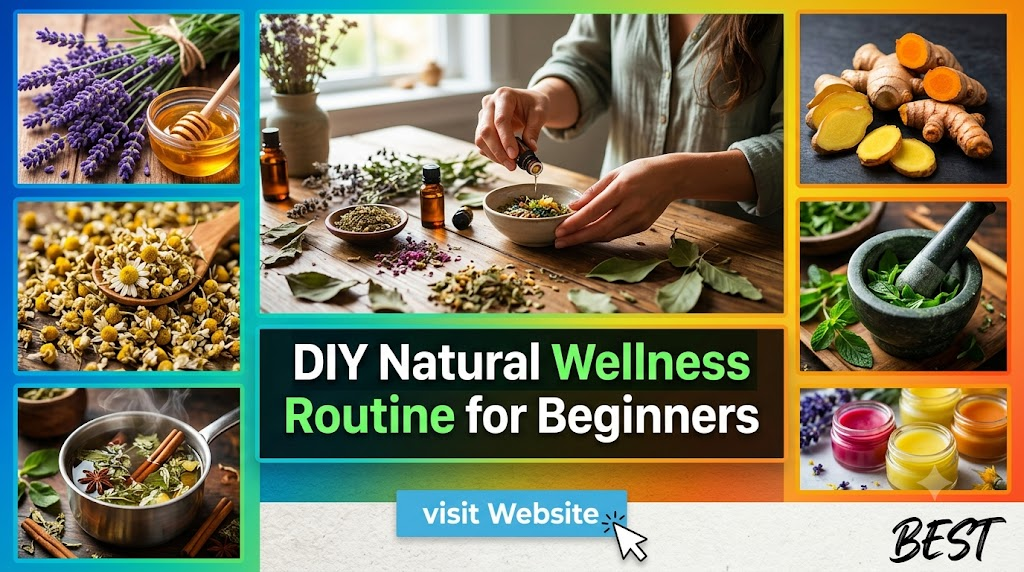
DIY Natural Wellness Routine for Beginners
The Ultimate Guide to a DIY Natural Wellness Routine for Beginners
.A natural wellness routine isn’t about perfection; it’s about making intentional choices that align with your biology. This comprehensive guide will walk you through every aspect of building a natural lifestyle from the ground up, providing you with practical, low-cost, and DIY solutions to nourish your body, mind, and soul.
Part 1: The Foundations of Natural Wellness
Before diving into specific recipes or exercises, it is crucial to understand the pillars upon which natural wellness is built. These pillars ensure that your routine is sustainable and effective.
Understanding Your Circadian Rhythm
Your body operates on a 24-hour internal clock known as the circadian rhythm. This rhythm regulates everything from sleep-wake cycles to hormone release and digestion. A natural wellness routine prioritizes syncing with the sun.
- Light Exposure: Seek natural sunlight within 30 minutes of waking to set your cortisol and melatonin cycles.
- Darkness: Minimize artificial “blue light” after sunset to allow your brain to produce melatonin naturally.
The Power of Bio-Individuality
No two bodies are the same. What works for one person may not work for you. A DIY routine allows you to experiment and listen to your body’s unique cues. Pay attention to how certain foods make you feel, how much sleep you actually need, and what type of movement brings you joy.
The “Add, Don’t Subtract” Philosophy
Instead of focusing on what you need to “quit” (sugar, caffeine, social media), focus on what you can add. Add more water, add more greens, add more movement. Eventually, the good habits will naturally crowd out the less beneficial ones.
Part 2: The Morning Ritual – Setting the Tone
How you spend your first hour defines your entire day. A natural morning routine focuses on hydration, movement, and mental clarity.
1. Hydration First
After 7–9 hours of sleep, your body is dehydrated. Before reaching for coffee, drink 16–24 ounces of room-temperature water.
- DIY Electrolyte Boost: Add a pinch of Celtic sea salt and a squeeze of fresh lemon. The salt provides trace minerals, while the lemon assists with digestion and Vitamin C intake.
2. Natural Movement and Grounding
Avoid jumping straight into high-intensity exercise if your body feels stiff.
- Grounding (Earthing): If possible, walk barefoot on grass, soil, or sand for 10 minutes. This practice is believed to help neutralize free radicals by connecting the body to the earth’s electrons.
- Sun Salutations: A simple 5-minute yoga flow helps wake up the spine and improve circulation.
3. Mindfulness Without Screens
Resist the urge to check your phone. Instead, spend 10 minutes in silence.
- Box Breathing: Inhale for 4 seconds, hold for 4, exhale for 4, hold for 4. This calms the nervous system and prepares you for a focused day.
Part 3: Nourishing the Body – DIY Natural Nutrition
Nutrition is the fuel for your wellness journey. For a beginner, the goal is to move away from “food-like products” and toward “real food.”
The Whole Foods Blueprint
Focus on foods that have one ingredient: themselves. An apple, an egg, a sweet potato.
- Seasonal Eating: Eat what is currently growing in your region. Seasonal produce is more nutrient-dense and supports local ecosystems.
- Healthy Fats: Incorporate avocados, walnuts, olive oil, and grass-fed butter. These are essential for brain health and hormone production.
DIY Herbal Teas and Infusions
Replace sugary sodas or excessive caffeine with homemade herbal infusions.
- Nettle Infusion (The Multivitamin): Steep 1 ounce of dried nettle leaf in a quart of hot water for 4–8 hours. It is packed with iron, calcium, and magnesium.
- Fresh Ginger and Turmeric Tea: Grate fresh roots into boiling water, add black pepper (to activate the curcumin in turmeric), and honey for a potent anti-inflammatory drink.
The Art of Fermentation
Gut health is the cornerstone of immunity and mental health. You don’t need expensive probiotics when you can make them at home.
- Basic Sauerkraut: Thinly slice a head of cabbage, massage it with 1 tablespoon of sea salt until it releases its juices, pack it tightly into a jar, and let it sit at room temperature for 2 weeks.
- Kefir or Kombucha: These fermented drinks are easy to maintain and provide a diverse range of beneficial bacteria.
Part 4: DIY Natural Personal Care
The skin is your largest organ, and it absorbs much of what you put on it. Many commercial products contain endocrine disruptors and synthetic fragrances. Transitioning to a DIY beauty routine is cost-effective and safer.
Skincare from the Kitchen
- Oil Cleansing: Instead of harsh soaps, use organic jojoba or sweet almond oil to dissolve dirt and makeup. It leaves the skin’s natural barrier intact.
- Honey Face Mask: Raw honey is a natural humectant and antimicrobial. Apply it to damp skin for 15 minutes for a glowing complexion.
- Apple Cider Vinegar Toner: Mix 1 part ACV with 4 parts filtered water. This helps balance the skin’s pH and tighten pores.
Body and Hair Care
- Magnesium Oil Spray: Most people are deficient in magnesium. Mix equal parts magnesium chloride flakes and distilled water. Spray on legs before bed to improve sleep and reduce muscle cramps.
- Dry Brushing: Use a natural bristle brush to gently stroke your skin toward your heart before showering. This stimulates the lymphatic system and exfoliates dead skin.
- DIY Natural Deodorant:
- 2 tbsp Coconut Oil
- 2 tbsp Baking Soda (omit if you have sensitive skin)
- 2 tbsp Arrowroot Powder
- 5 drops Tea Tree Oil
- Mix and store in a small jar.
Part 5: Movement as Medicine
Forget the “no pain, no gain” mentality. Natural movement is about functional longevity and joy.
Movement Snacks
Instead of one grueling hour at the gym, incorporate “movement snacks” throughout the day.
- Take the stairs.
- Do 10 squats every time you boil the kettle.
- Stretch while watching the news.
The Importance of Walking
Walking is the most underrated form of exercise. Aim for 8,000 to 10,000 steps a day, ideally outdoors. “Forest Bathing” (Shinrin-yoku) is the Japanese practice of walking mindfully in the woods, which has been scientifically proven to lower blood pressure and stress hormones.
Resistance Training
Maintaining muscle mass is vital for metabolic health. Use your own body weight: push-ups, planks, and lunges are highly effective and require zero equipment.
Part 6: Creating a Non-Toxic Home Environment
Your home should be a sanctuary, not a source of chemical stress.
Natural Cleaning Solutions
You can clean almost your entire house with three ingredients: White vinegar, baking soda, and lemons.
- All-Purpose Spray: Fill a jar with orange peels and cover with white vinegar. Let sit for 2 weeks, strain, and dilute 50/50 with water.
- Scrubbing Paste: Mix baking soda with a little Castile soap to clean sinks and bathtubs.
Air Quality
Indoor air can be more polluted than outdoor air due to VOCs (Volatile Organic Compounds) from furniture and carpets.
- Houseplants: Spider plants, Snake plants, and Peace Lilies are excellent at filtering toxins from the air.
- Ventilation: Open your windows for at least 15 minutes a day, even in winter, to circulate fresh air.
Ditching Synthetic Fragrance
“Fragrance” or “Parfum” on a label can represent hundreds of undisclosed chemicals. Use high-quality essential oils in a diffuser or simmer cinnamon sticks and cloves on the stove to scent your home naturally.
Part 7: Mental and Emotional Wellness
A healthy body cannot exist without a healthy mind. DIY mental wellness is about building resilience and managing stress.
Journaling for Clarity
Writing down your thoughts helps externalize stress.
- Gratitude Journaling: Every morning or evening, write down three specific things you are grateful for. This retrains your brain to look for the positive.
- Brain Dumping: Before bed, write down everything on your “to-do” list or anything bothering you to clear your mental space for sleep.
Digital Minimalism
The constant barrage of notifications keeps our nervous system in a state of “fight or flight.”
- Tech-Free Zones: Keep phones out of the bedroom and off the dinner table.
- The 1-Hour Rule: Don’t check your phone for the first hour of the day and the last hour before sleep.
Deep Breathing Techniques
Breathwork is the fastest way to change your physiological state.
- 4-7-8 Technique: Inhale for 4, hold for 7, exhale for 8. This specifically activates the vagus nerve, signaling the body to relax.
Part 8: The Evening Ritual – Prioritizing Sleep
Sleep is the ultimate natural healer. A wellness routine is only as good as the recovery that follows it.
Creating a Sleep Sanctuary
- Temperature: Keep your bedroom cool (around 65°F or 18°C).
- Total Darkness: Use blackout curtains or a silk eye mask. Even small LEDs from chargers can disrupt sleep.
- Salt Lamps: Use the warm, orange glow of a Himalayan salt lamp in the evening instead of overhead LED lights.
The Wind-Down Process
Start your wind-down 90 minutes before bed.
- Warm Bath: Add 2 cups of Epsom salts (magnesium sulfate) to a warm bath. The magnesium absorbs through the skin to relax muscles.
- Reading: Read a physical book rather than an e-reader to avoid blue light.
- Herbal Support: Drink a cup of chamomile, valerian root, or passionflower tea to signal to your brain that it’s time to rest.
Part 9: Natural Remedies for Common Ailments
A DIY wellness routine includes knowing how to handle minor health hiccups using nature’s pharmacy.
For Immunity: Fire Cider
This traditional folk remedy is a potent tonic for cold and flu season.
- Ingredients: Apple cider vinegar, garlic, onions, ginger, horseradish, hot peppers, and honey.
- Process: Steep the vegetables in ACV for 4 weeks, strain, and add honey. Take a tablespoon daily or when you feel a “tickle” in your throat.
For Digestion: Bitters
Digestive bitters help stimulate bile production and enzyme secretion.
- DIY Bitters: Steep dandelion root, orange peel, and gentian root in high-proof alcohol (like vodka) for 2–4 weeks. A few drops before a meal can significantly improve digestion.
For Stress: Ashwagandha and Holy Basil
These are “adaptogens”—herbs that help the body adapt to stress. They can be taken as teas or tinctures to help balance cortisol levels.
Part 10: Sustainability and Longevity
Natural wellness is intrinsically linked to the health of the planet. As you move toward a DIY lifestyle, you naturally become more sustainable.
Reducing Waste
- Bulk Buying: Buy grains, nuts, and seeds in bulk to reduce plastic packaging.
- Composting: Return your food scraps to the earth to create nutrient-rich soil for your own herbs or garden.
Connecting with Nature
Spend time in “wild” spaces. Whether it’s a local park or a mountain range, being in nature lowers heart rates and improves mood. This connection reminds us that we are part of a larger biological system.
Part 11: Implementing Your Routine – The Step-by-Step Plan
Starting everything at once leads to burnout. Follow this phased approach to build your DIY natural wellness routine.
Week 1: The Foundations
- Start drinking 16oz of lemon water every morning.
- Walk outside for 20 minutes daily.
- Set a consistent bedtime.
Week 2: Kitchen Overhaul
- Swap one processed snack for a whole food (e.g., replace crackers with walnuts).
- Try making your first batch of herbal tea or a simple fermented food.
- Stop using your phone 30 minutes before bed.
Week 3: Personal Care and Home
- Replace your chemical household cleaner with a vinegar/water solution.
- Try the oil cleansing method or a DIY honey mask.
- Introduce 5 minutes of morning meditation or breathwork.
Week 4: Refinement
- Assess how you feel. Are you sleeping better? Is your energy more stable?
- Introduce bodyweight exercises or yoga 3 times a week.
- Begin exploring more complex natural remedies like Fire Cider or Magnesium spray.
Conclusion: The Journey, Not the Destination
A DIY natural wellness routine is a lifelong journey of self-discovery. It is about stripping away the artificial and reconnecting with the essential. By taking control of what you eat, how you move, and how you care for your environment, you are not just preventing illness—you are cultivating a state of vibrant, thriving health.
Remember that nature does not hurry, yet everything is accomplished. Be patient with yourself as you unlearn old habits and embrace new, natural ones. Your body has an incredible capacity to heal and flourish when given the right environment. Start today, one small, natural step at a time.