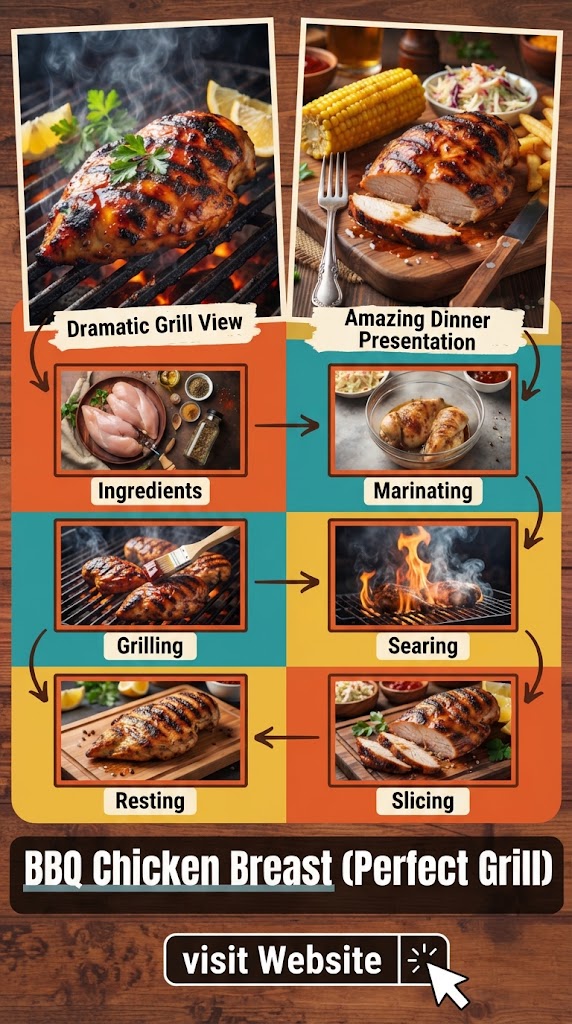

Restaurant-Style Cilantro Lime Chicken Dinner for Busy Nights
The struggle of the modern weeknight is real. Between the demands of a professional career, family commitments, and the desire to maintain a healthy lifestyle, the kitchen often becomes a place of stress rather than a sanctuary of flavor. We frequently find ourselves reaching for the takeout menu or settling for a bland, uninspired meal simply because time is not on our side. However, what if you could replicate the vibrant, zesty, and deeply satisfying flavors of a high-end Mexican grill or a gourmet bistro in under 30 minutes?
Enter the Restaurant-Style Cilantro Lime Chicken. This isn’t just a recipe; it’s a culinary strategy. It relies on the transformative power of acidity, the freshness of herbs, and the science of a perfect sear to deliver a protein that is juicy on the inside, charred on the outside, and bursting with bright, tropical notes.
In this comprehensive guide, we will dive deep into the techniques, the science, and the secrets that separate mediocre home cooking from restaurant-quality results. Whether you are a seasoned home chef or a beginner looking to impress, this article will equip you with everything you need to dominate dinner time.
Why Cilantro Lime Chicken is the Perfect Busy Night Solution
Efficiency in the kitchen is about maximizing flavor with minimal movement. Cilantro lime chicken hits the “trifecta” of home cooking:
- Speed: The actual active cooking time is often less than 15 minutes.
- Versatility: This chicken can be served as a standalone entree, sliced into tacos, tossed into a salad, or layered into a grain bowl.
- Pantry Staples: Most of the ingredients—lime, garlic, oil, and spices—are likely already in your kitchen.
Beyond the logistics, there is the flavor profile. The “Zing” of the lime juice acts as a natural tenderizer for the chicken fibers, while the zest provides essential oils that perfume the entire dish. The cilantro adds an earthy, herbaceous undertone that balances the citrus, and the garlic provides the savory backbone that makes the dish feel “complete.”
The Science of the Marinade: Acid, Fat, and Aromatics
To achieve restaurant-style results, you must understand how a marinade works. A common mistake is to simply “soak” the chicken. A truly effective marinade requires a precise balance of three elements:
1. The Acid (The Lime)
Lime juice serves two purposes. First, it provides the flavor. Second, the citric acid breaks down the tight protein structures in the chicken breast or thigh. This process, known as denaturing, allows the meat to retain more moisture during the high-heat cooking process. However, be warned: marinating for more than 4 hours in high-acid environments can turn chicken “mushy.” For a busy night, a 30-minute soak is the “sweet spot.”
2. The Fat (The Oil)
Fat is the vehicle for flavor. Most of the aromatics in cilantro and garlic are fat-soluble, meaning their flavors are unlocked and carried into the meat by the oil. Using a high-smoke point oil like avocado oil or light olive oil is essential. It ensures that when the chicken hits the hot pan, the oil doesn’t burn and turn bitter.
3. The Aromatics and Seasoning
Fresh cilantro and minced garlic are non-negotiable. However, the secret “restaurant” ingredient is often a touch of sweetness—like honey or agave—to balance the acid, and a hint of cumin to provide a smoky depth.
Selecting Your Protein: Breasts vs. Thighs
In the debate of chicken breast versus chicken thigh, the “correct” choice depends on your preference for texture and fat content.
- Boneless, Skinless Chicken Thighs: These are the darlings of professional chefs for a reason. They have a higher fat content, making them almost impossible to overcook. They stay juicy even under high heat and have a richer, more “chicken-y” flavor. If you want the most “forgiving” experience on a busy night, choose thighs.
- Boneless, Skinless Chicken Breasts: These are the leanest option. To make restaurant-quality breasts, you must butterfly them (cut them in half horizontally) or pound them to an even thickness. This ensures they cook quickly and evenly without the outside drying out before the inside is done.
The Essential Ingredient List
To make this dish truly “Restaurant-Style,” quality matters. Do not use bottled lime juice; the preservatives change the flavor profile.
- 2 lbs Chicken: (Breasts or Thighs).
- Fresh Limes: You will need the juice of 2-3 limes and the zest of at least one.
- Fresh Cilantro: One large bunch. Don’t throw away the stems! The stems actually hold more flavor than the leaves.
- Garlic: 4-6 cloves, freshly minced. Avoid the pre-minced jars.
- Oil: 1/4 cup of Avocado or Olive oil.
- Honey or Agave: 1 tablespoon to balance the acidity and help with caramelization.
- Spices: Cumin, smoked paprika, sea salt, and freshly cracked black pepper.
- Red Pepper Flakes: (Optional) for a hint of heat.
Step-By-Step Instructions for the Perfect Cilantro Lime Chicken
Step 1: Prep and Marinate
Place your chicken in a large bowl or a heavy-duty gallon-sized freezer bag. In a separate small bowl, whisk together the lime juice, lime zest, oil, honey, minced garlic, chopped cilantro, and spices. Pour the mixture over the chicken, ensuring every piece is coated.
Pro Tip: If you are in a rush, use a fork to poke small holes in the chicken. This allows the marinade to penetrate deeper in a shorter amount of time. Let it sit at room temperature for 15-20 minutes, or in the fridge for up to 2 hours.
Step 2: The Pan-Sear (The Secret to the Crust)
The hallmark of restaurant chicken is the “Maillard reaction”—the chemical reaction between amino acids and reducing sugars that gives browned food its distinctive flavor.
- Heat a large cast-iron skillet or heavy stainless steel pan over medium-high heat.
- Add a tablespoon of oil. You know the pan is ready when the oil shimmers and a tiny drop of water sizzles instantly.
- Remove the chicken from the marinade, shaking off excess liquid (too much liquid will cause the chicken to steam rather than sear).
- Place the chicken in the pan. Do not crowd the pan. If necessary, cook in two batches.
- Let it cook undisturbed for 5-6 minutes. Resist the urge to flip it early! The chicken will naturally “release” from the pan once a golden-brown crust has formed.
Step 3: Flipping and Finishing
Flip the chicken. The other side will usually take less time—about 4-5 minutes for thighs and 3-4 minutes for butterflied breasts.
Using an instant-read meat thermometer is the only way to ensure perfection. Aim for 165°F (74°C). Once reached, remove the chicken from the pan immediately.
Step 4: The Resting Period
This is the most skipped step in home kitchens, and it is the most vital. When meat cooks, the muscle fibers tighten and push juices to the center. If you cut it immediately, those juices spill out onto the cutting board, leaving you with dry meat. Let the chicken rest for 5 minutes. This allows the fibers to relax and reabsorb the juices.
Alternative Cooking Methods
While the cast-iron skillet is the gold standard for that restaurant char, you can adapt this recipe for other appliances:
The Outdoor Grill
If it’s a beautiful evening, take it outside. The smoky notes of charcoal or gas grill flames complement the lime and cilantro perfectly. Grill over medium-high heat for about 6-8 minutes per side.
The Air Fryer
For the ultimate “hands-off” busy night, the air fryer is king.
- Preheat the air fryer to 400°F.
- Place the marinated chicken in the basket in a single layer.
- Cook for 12-15 minutes, flipping halfway through. The air fryer provides a surprisingly good “sear” due to the high-velocity hot air.
The Oven-Baked Method
If you are cooking for a large crowd, the oven is your best friend.
- Preheat to 425°F.
- Place chicken on a rimmed baking sheet lined with parchment paper.
- Bake for 18-22 minutes. To get that “restaurant” look, turn on the broiler for the last 2 minutes to brown the tops.
Elevating the Dish: Side Dish Pairings
To turn this chicken into a full restaurant-style dinner, you need the right supporting cast. Here are three foolproof pairings:
1. The “Copycat” Cilantro Lime Rice
Don’t just serve plain white rice. Rinse long-grain basmati or jasmine rice until the water runs clear. Cook it with a bay leaf. Once finished, fluff it with a fork and fold in fresh lime juice, lime zest, and plenty of chopped cilantro. It mimics the famous rice found at high-end fast-casual Mexican spots.
2. Charred Corn and Black Bean Salad
A cold, refreshing contrast to the hot chicken. Mix canned black beans (rinsed), corn (fresh or frozen/thawed), diced red onion, bell peppers, and a dressing made of lime juice and cumin.
3. Avocado Crema
Blend one ripe avocado with a dollop of Greek yogurt or sour cream, a squeeze of lime, and a pinch of salt. This creamy element cuts through the acidity of the chicken and adds a luxurious mouthfeel to the meal.
Meal Prep Strategies for the Week Ahead
The beauty of Cilantro Lime Chicken is that it tastes just as good (if not better) the next day. If you are a meal prepper:
- The Double Batch: Always cook twice as much as you need. The leftovers can be sliced and used for “Cilantro Lime Chicken Tacos” on Tuesday or a “Power Bowl” with quinoa and kale on Wednesday.
- Freezing the Marinade: You can place raw chicken and the marinade together in a freezer bag and freeze it immediately. As the chicken thaws in the fridge on the day you want to cook it, it marinates simultaneously.
- Storage: Keep cooked chicken in an airtight container for up to 4 days. To reheat without drying it out, use the microwave at 50% power or a covered skillet with a splash of water or chicken broth.
Dietary Considerations: Keto, Paleo, and Whole30
This recipe is inherently healthy, but it is easily adaptable for specific lifestyles:
- Keto: Ensure you use a sugar-free sweetener or omit the honey entirely. Serve with cauliflower rice or over a bed of sautéed zucchini noodles.
- Paleo/Whole30: Swap the vegetable oil for avocado oil and use a date-based sweetener or omit the honey. Ensure your side dishes are grain-free (like roasted sweet potatoes or a big green salad).
- Low Sodium: Use fresh herbs and extra lime zest to provide “flavor impact” without relying on heavy salt.
Common Mistakes to Avoid
- Using Dried Cilantro: Just don’t do it. Dried cilantro loses nearly all of its aromatic properties. If you can’t find fresh, use flat-leaf parsley and extra lime zest, but fresh is the soul of this dish.
- Overcrowding the Pan: If the chicken pieces are touching, they will release steam. This results in grey, rubbery chicken instead of golden-brown, crispy chicken.
- Forgetting the Zest: The juice provides the “sour,” but the zest provides the “floral” lime aroma. You need both for that multi-dimensional restaurant flavor.
- Not Drying the Chicken: Before the chicken goes into the pan, if it’s dripping with liquid, it won’t sear. Give it a quick shake or a light pat with a paper towel if the marinade is too watery.
The Cultural Roots of the Flavor Profile
While “Cilantro Lime Chicken” has become a staple of American “Tex-Mex” and modern fusion cuisine, its roots are deeply embedded in Latin American and Caribbean culinary traditions. The combination of citrus (introduced by the Spanish) and cilantro (which has roots in both Mediterranean and Asian cooking) became a hallmark of Mexican “Pollo Al Limón” and various Caribbean marinades (Mojos).
By bringing these flavors into your kitchen, you aren’t just making a quick dinner; you are participating in a long tradition of using bright, acidic notes to elevate humble proteins. This cultural fusion is what gives the dish its “universal” appeal—it feels familiar yet exotic, comforting yet fresh.
Troubleshooting Your Chicken
“My chicken is tough.” This usually means it was overcooked. Next time, pull it off the heat at 160°F and let the carryover cooking take it to 165°F while it rests. Alternatively, try using chicken thighs next time, as they stay tender even if cooked slightly over.
“The flavor is too sour.” You might have used too much lime juice and not enough oil or sweetener. Balance is key. Add a little more honey or a pinch of sugar to the next batch to mellow out the acidity.
“The garlic burned in the pan.” Garlic burns quickly. If you are using a very hot pan, try mincing the garlic into larger chunks or using garlic powder in the marinade instead of fresh, though fresh is preferred for flavor. Alternatively, ensure the garlic is well-coated in oil within the marinade to protect it.
Conclusion: Making it Your Own
The “Restaurant-Style Cilantro Lime Chicken” is a canvas. Once you master the basic ratio of acid, oil, and herbs, you can start to experiment.
- Make it Spicy: Add a minced habanero or jalapeño to the marinade.
- Make it Creamy: Stir in a spoonful of heavy cream or coconut milk into the pan at the very end to create a pan sauce.
- Make it Tropical: Add a splash of pineapple juice to the marinade for a “Hawaiian-Mexican” fusion.
The goal for any busy night isn’t just to “get through” dinner—it’s to enjoy it. With this recipe, you bring the excitement of a night out into the comfort of your own home, all while staying on track with your time and health goals. So, grab a bunch of cilantro, a few limes, and transform your next Tuesday night into a culinary event.
Restaurant-Style Cilantro Lime Chicken Dinner for Busy Nights Description: Discover how to make the best Restaurant-Style Cilantro Lime Chicken at home. This easy, 30-minute recipe is perfect for busy nights, featuring a juicy, zesty marinade and expert searing techniques for a healthy, gourmet meal. Keywords: Cilantro Lime Chicken, Healthy Dinner Recipes, Quick Chicken Recipes, Mexican Chicken Marinade, Easy Weeknight Meals, Restaurant Style Chicken at Home, Keto Chicken Recipe, Meal Prep Chicken.