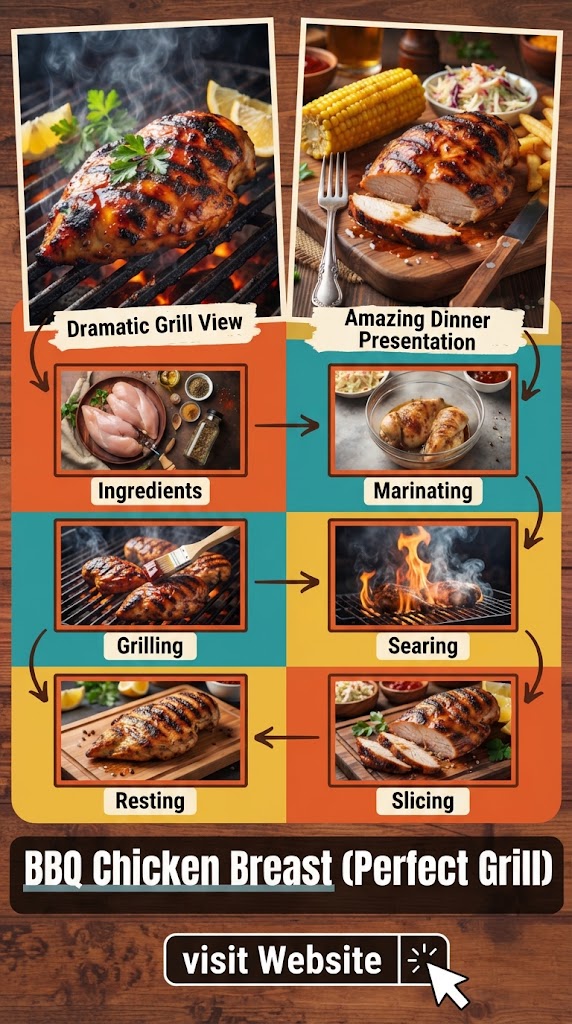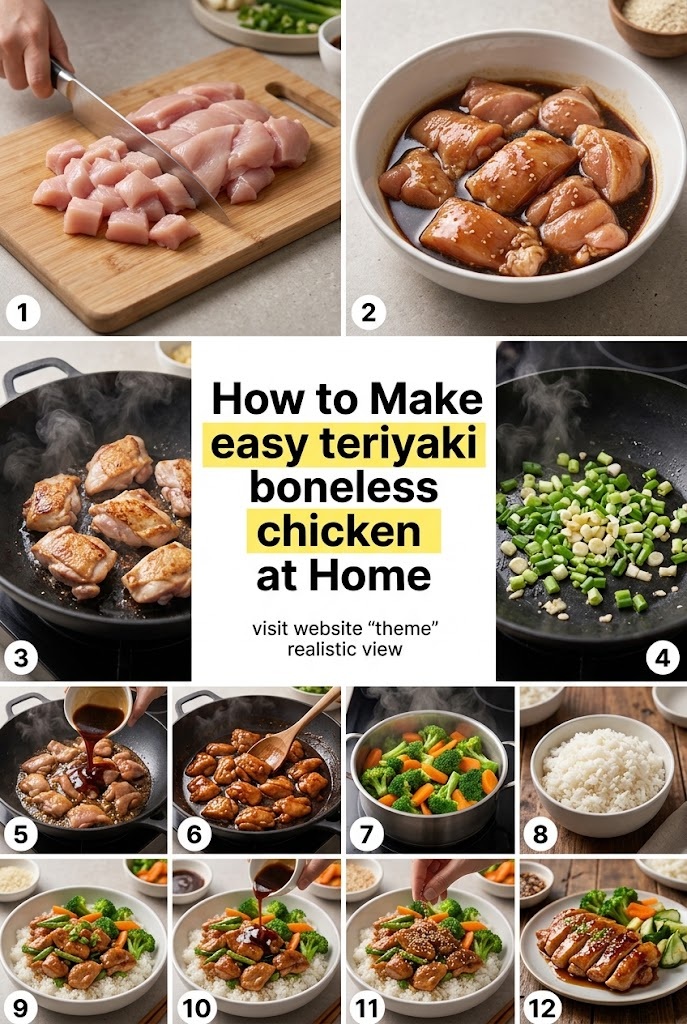
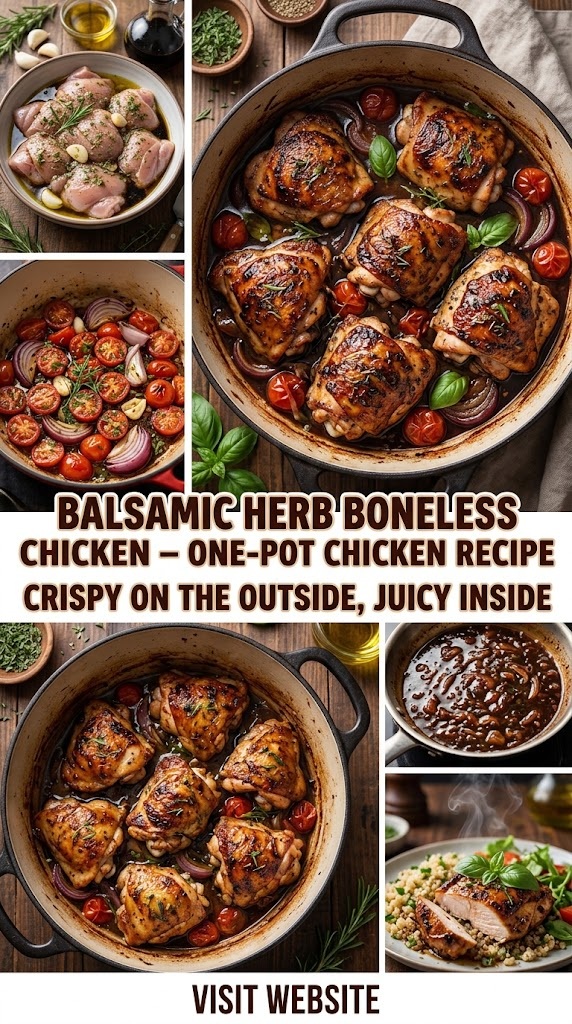
Balsamic Herb Boneless Chicken – One-Pot Chicken Recipe Crispy on the Outside, Juicy Inside
The quest for the perfect weeknight dinner often feels like a balancing act between flavor, health, and cleanup time. We want something that tastes like it came from a high-end Mediterranean bistro, but we only have 30 minutes and a single pan to work with. Enter the Balsamic Herb Boneless Chicken.
This isn’t just another chicken recipe; it is a masterclass in texture and flavor contrast. When executed correctly, this dish offers a shatteringly crispy exterior—achieved through the caramelization of balsamic sugars—and an incredibly juicy, tender interior that drips with herbaceous aromatics. In this comprehensive guide, we will explore every nuance of this one-pot wonder, from the science of the Maillard reaction to the specific herbs that elevate the dish from “good” to “unforgettable.”
Why One-Pot Balsamic Chicken is a Game Changer
In the modern kitchen, efficiency is king. The “One-Pot” philosophy is about more than just saving time on dishes; it’s about flavor layering. When you sear chicken, create a sauce, and wilt your greens or aromatics in the same vessel, you are capturing every molecule of “fond”—those brown, flavorful bits stuck to the bottom of the pan.
The Balsamic Herb Boneless Chicken utilizes this technique to the fullest. The acidity of the balsamic vinegar de-glazes the pan, lifting the savory chicken essences and incorporating them into a rich, mahogany glaze that coats every bite.
The Secret to the “Crispy Outside, Juicy Inside” Result
Achieving a crispy exterior on a boneless, skinless chicken breast or thigh is often considered difficult because there is no skin to render fat. However, the secret lies in two areas: Moisture Control and Sugar Caramelization.
- Surface Dryness: Before the chicken even touches the pan, it must be patted bone-dry with paper towels. Any surface moisture will turn to steam, preventing the chicken from searing and resulting in a rubbery texture.
- The Balsamic Catalyst: Balsamic vinegar has a high natural sugar content. When reduced over heat, these sugars undergo caramelization, creating a “crust” that mimics the crunch of skin while providing a deep, tangy sweetness.
- Temperature Management: To keep the inside juicy, we use a high-heat sear followed by a lower-heat simmer in the balsamic herb reduction. This ensures the fibers don’t tighten up and squeeze out the juices.
The Essential Ingredient Breakdown
To make the world-class Balsamic Herb Boneless Chicken, you need to understand your components. Each ingredient serves a functional purpose in the flavor profile.
1. The Protein: Thighs vs. Breasts
While this recipe works for both, boneless, skinless chicken thighs are the gold standard here. They have a higher fat content, making them more forgiving and significantly juicier. If you prefer chicken breasts, you must be vigilant with a meat thermometer to ensure they don’t exceed 165°F (74°C).
2. The Balsamic Vinegar
Not all balsamic is created equal. For this recipe, you don’t need a $100 bottle of traditional extra-vecchio, but avoid the “balsamic flavored” watery vinegars. Look for a Balsamic Vinegar of Modena (IGP). It should be slightly viscous and have a balance of tartness and sweetness.
3. The Herb Trio: Rosemary, Thyme, and Oregano
- Rosemary: Provides a woody, pine-like aroma that stands up to the heavy balsamic.
- Thyme: Adds a subtle earthy and minty note.
- Oregano: Brings the classic Mediterranean brightness.
- Pro Tip: Use fresh herbs whenever possible. If using dried, remember the ratio: 1 tablespoon of fresh equals 1 teaspoon of dried.
4. The Aromatics: Garlic and Shallots
Garlic provides the base notes of savoriness, while shallots offer a more delicate, onion-like sweetness that melts into the balsamic glaze without overpowering the herbs.
Step-by-Step Instructions for the Perfect One-Pot Meal
Phase 1: Preparation and The Dry Rub
Begin by prepping your chicken. If you are using large chicken breasts, butterfly them or pound them to an even thickness. This ensures they cook at the same rate, preventing the thin ends from drying out before the center is done.
The Herb Rub: In a small bowl, mix:
- 1 tsp Kosher salt
- 1/2 tsp Cracked black pepper
- 1 tsp Dried oregano
- 1/2 tsp Garlic powder
Season the chicken generously on both sides. Let it sit for 10 minutes at room temperature. This “dry brine” helps the salt penetrate the meat, ensuring juiciness.
Phase 2: The High-Heat Sear
Heat a large heavy-bottomed skillet (cast iron or stainless steel is best) over medium-high heat. Add 2 tablespoons of high-smoke-point oil, such as avocado or grapeseed oil.
Once the oil is shimmering (but not smoking), place the chicken in the pan. Do not crowd the pan. If the pieces are too close, they will steam instead of sear. Let them cook undisturbed for 5-6 minutes. You are looking for a deep, golden-brown crust. Flip once and cook for another 3 minutes. Remove the chicken and set aside on a plate; it will not be fully cooked through yet.
Phase 3: Creating the Balsamic Herb Reduction
Lower the heat to medium. In the same pan, add:
- 1 tbsp Butter (the milk solids add richness)
- 2 minced Shallots
- 4 cloves Garlic, smashed and minced
Sauté for 2 minutes until fragrant. Now, the magic happens. Pour in 1/2 cup of Balsamic Vinegar and 1/4 cup of Chicken Stock. Use a wooden spoon to scrape the bottom of the pan, releasing all those flavorful brown bits.
Add 2 sprigs of fresh rosemary and 4 sprigs of fresh thyme directly into the liquid. Let the sauce simmer and reduce by half until it starts to look syrupy.
Phase 4: The Finishing Simmer
Place the chicken (and any juices that accumulated on the plate) back into the skillet. Spoon the balsamic reduction over the chicken. Cover the pan and let it simmer for another 4-5 minutes, or until the internal temperature of the chicken reaches 165°F.
During the last 60 seconds, remove the lid and turn the heat up slightly to “glaze” the chicken, flipping it once or twice so it becomes sticky and dark.
Troubleshooting Common Issues
Why is my chicken tough?
The most common culprit is overcooking. Chicken breasts, in particular, lose moisture rapidly once they pass 165°F. Invest in an instant-read thermometer. Also, ensure you aren’t skipping the “resting” phase. Let the chicken sit for 5 minutes after cooking to allow the juices to redistribute.
Why is the sauce too bitter?
If the balsamic vinegar reduces too much or burns, it can become bitter. If you find the sauce is too sharp, whisk in a teaspoon of honey or brown sugar. This balances the acidity and enhances the “crispy” caramelization on the chicken’s exterior.
My chicken didn’t get crispy.
This usually happens if the pan wasn’t hot enough or if the chicken was wet. Make sure the oil is shimmering before the chicken hits the pan. If you hear a loud sizzle, you’re on the right track.
Nutritional Benefits of This Recipe
This Balsamic Herb Chicken is a powerhouse of nutrition, making it ideal for those following a Mediterranean, Paleo, or Low-Carb diet.
- High Protein: Lean chicken provides essential amino acids for muscle repair.
- Antioxidants: Balsamic vinegar contains polyphenols, which are antioxidants that can help protect the body from cell damage.
- Anti-inflammatory Herbs: Rosemary and thyme are known for their anti-inflammatory properties and high mineral content.
- Low Calorie, High Flavor: By using vinegar and herbs for flavor instead of heavy creams or flours, you keep the calorie count low while maximizing taste satisfaction.
Perfect Pairings: What to Serve with Balsamic Chicken
The bold, tangy nature of the balsamic glaze requires sides that can either soak up the sauce or provide a fresh contrast.
1. Roasted Root Vegetables
Carrots, parsnips, and sweet potatoes develop a natural sweetness when roasted that complements the acidity of the balsamic. You can even toss them in the same pan if your skillet is large enough.
2. Garlic Mashed Cauliflower or Potatoes
A creamy mash is the perfect vehicle for the balsamic reduction. The contrast between the dark, acidic sauce and the white, buttery mash is visually and culinarily stunning.
3. Sautéed Greens
Wilt some spinach or kale in the pan during the last two minutes of cooking. The greens will soak up the herbal balsamic juices, providing a nutrient-dense side that balances the richness of the chicken.
4. Quinoa or Farro
For a grain-based option, nutty farro or light quinoa provides a great texture that holds up well against the sticky glaze.
Advanced Variations to Try
Once you have mastered the base recipe, you can experiment with these gourmet twists:
- The Creamy Balsamic Version: After reducing the vinegar, whisk in 1/4 cup of heavy cream or full-fat coconut milk for a velvety, luxurious sauce.
- The Italian Orchard: Add sliced grapes or halved figs during the simmering phase. The fruit breaks down and adds a jammy sweetness that pairs beautifully with rosemary.
- Caprese Style: Top the chicken with a slice of fresh mozzarella and a tomato slice during the last 2 minutes of simmering. Cover until the cheese melts, then garnish with fresh basil.
- The Spicy Kick: Add a half-teaspoon of red pepper flakes to the garlic and shallot sauté to give the sweet glaze a lingering heat.
Meal Prep and Storage Tips
This recipe is a favorite for meal preppers because the flavors actually deepen the next day.
- Storage: Store in an airtight container for up to 4 days in the refrigerator.
- Reheating: To maintain the “crispy outside,” avoid the microwave if possible. Instead, reheat in a skillet over medium heat with a splash of water or chicken broth to loosen the glaze.
- Freezing: You can freeze the cooked chicken in its sauce for up to 3 months. Thaw overnight in the fridge before reheating.
The Science of Flavor: Why Balsamic and Herbs Work
The pairing of balsamic vinegar and woody herbs (Rosemary/Thyme) is a classic example of Flavor Bridging. Balsamic vinegar has complex notes of wood (from the barrels it’s aged in), which creates a chemical bridge to the terpene compounds found in rosemary.
Furthermore, the acidity in the vinegar acts as a “flavor enhancer,” much like salt. It brightens the savory notes of the chicken and cuts through the fat, ensuring that the dish never feels too heavy or greasy. This is why the dish feels “balanced”—it hits every part of the palate: sweet, sour, salty, and umami.
Final Thoughts for the Home Cook
The Balsamic Herb Boneless Chicken is a testament to the fact that you don’t need a pantry full of exotic ingredients to create a world-class meal. With a single pan, a few fresh herbs, and a good bottle of balsamic vinegar, you can transform humble chicken into a dish that is crispy, juicy, and profoundly flavorful.
Whether you are cooking for a family of four or looking for a sophisticated solo dinner, this one-pot recipe provides a reliable, repeatable, and healthy solution. The key is in the sear, the reduction, and the patience to let the meat rest. Master these three elements, and you will have a signature dish that guests will be asking for years to come.
Summary Checklist for Success:
- Dry the chicken thoroughly.
- Sear on high heat for a golden crust.
- Deglaze the pan to capture all the flavor.
- Reduce the sauce until it coats the back of a spoon.
- Rest the meat before slicing.
Enjoy your journey into the delicious world of one-pot Mediterranean cooking!
Meta Description: Master the art of Balsamic Herb Boneless Chicken. This one-pot recipe delivers a crispy, caramelized exterior and a juicy, herb-infused interior. Perfect for quick weeknight dinners and healthy meal prepping.
Primary Keywords: Balsamic Herb Boneless Chicken, One-Pot Chicken Recipe, Crispy Juicy Chicken, Healthy Dinner Ideas, Mediterranean Chicken Recipe, Balsamic Glazed Chicken, Easy Chicken Skillet.